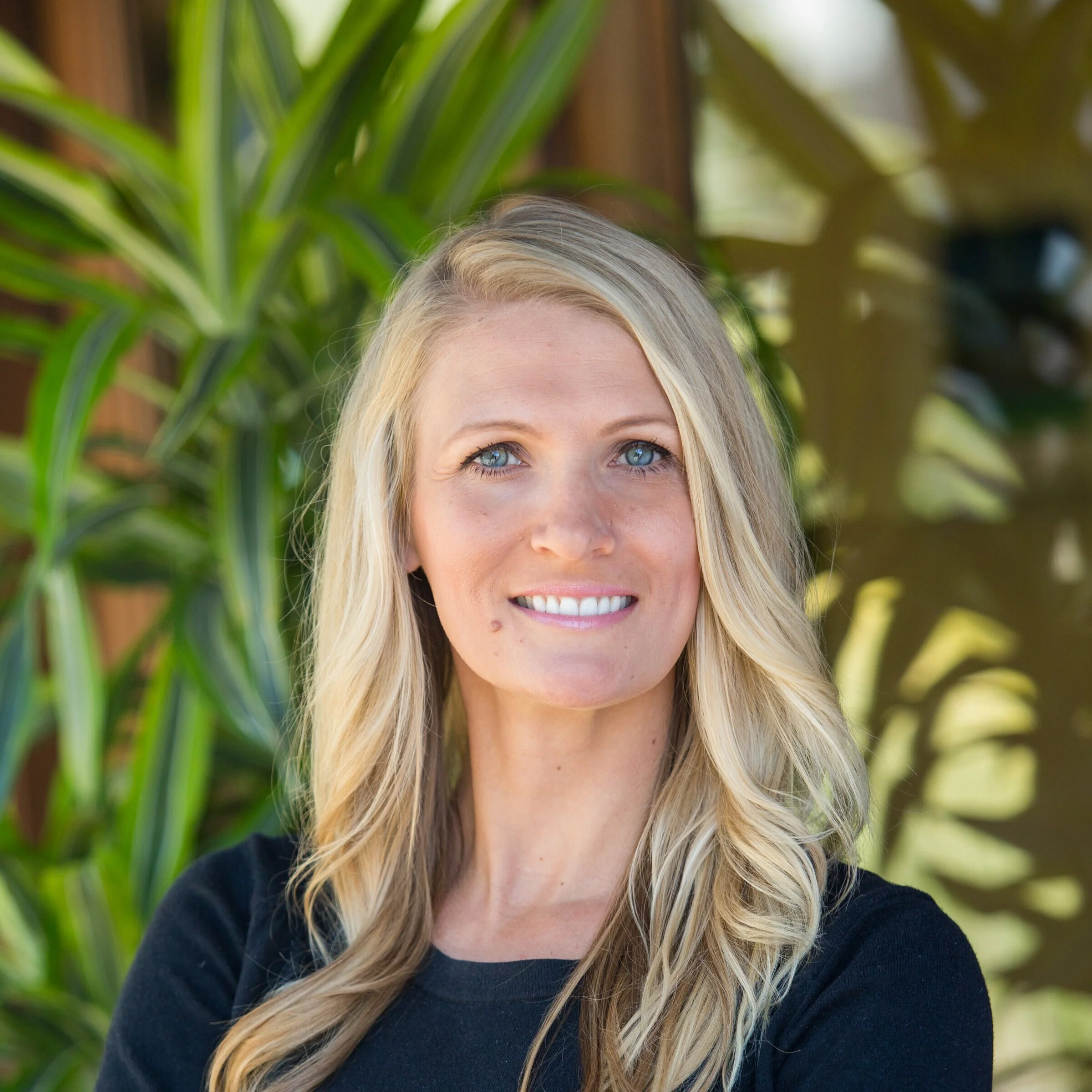
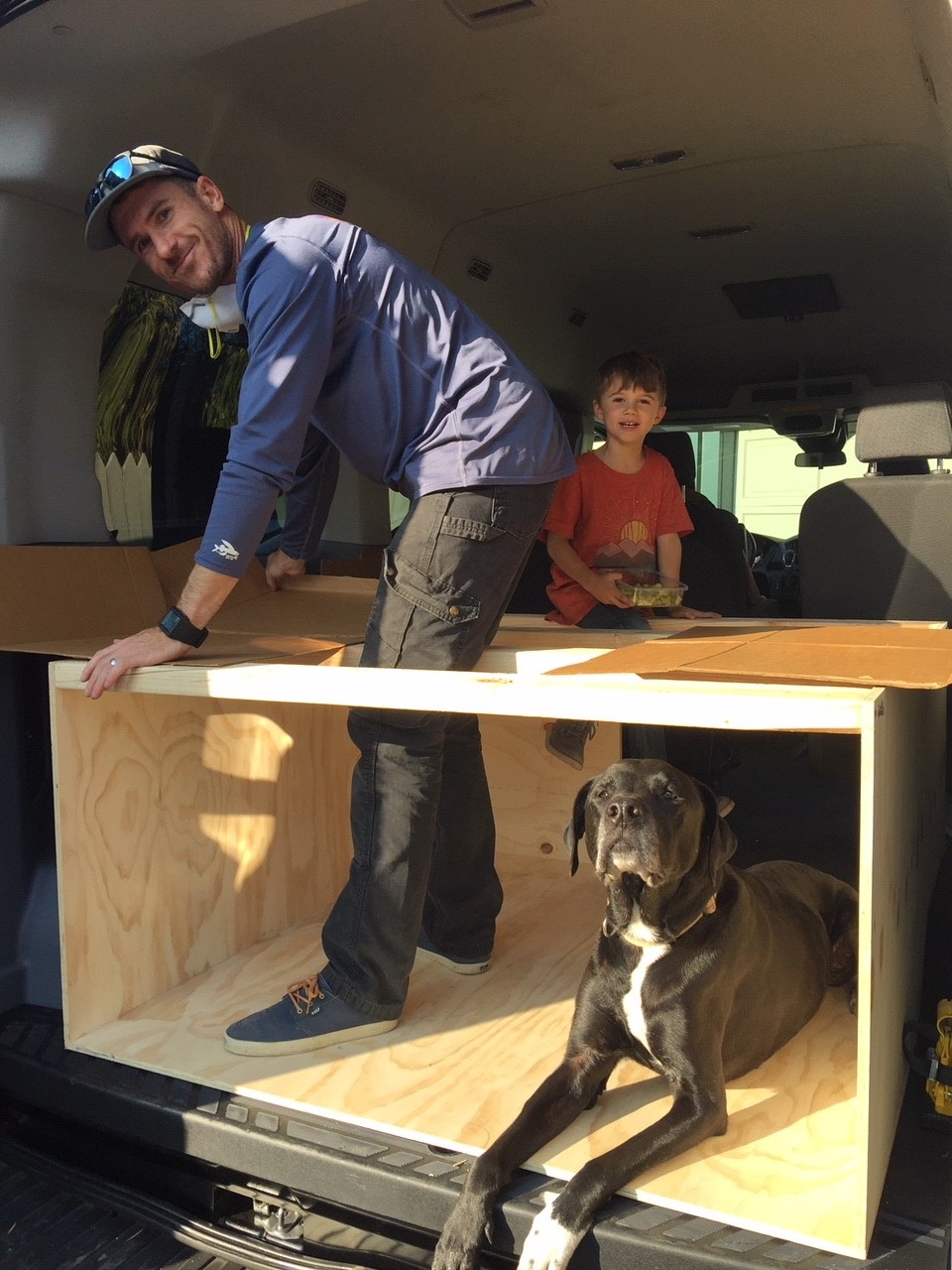
MEET THE TEAM: DANIEL MAULT

MEET DANIEL MAULT, PRODUCTION MANAGER FOR ALLEN’S CUSTOM DIVISION
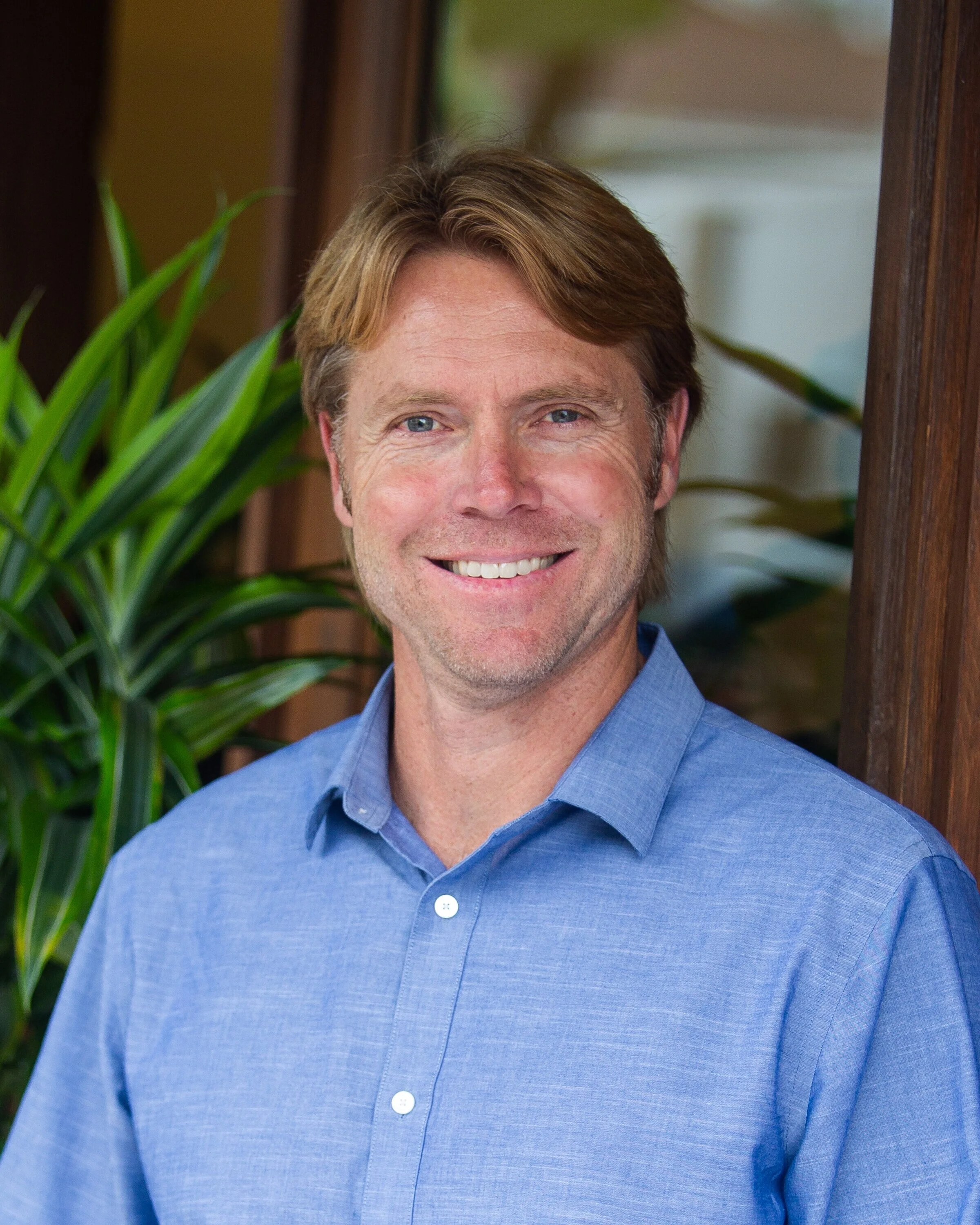
DMault+Preferred.jpg

What do you do at Allen Construction?  I have been an Allen employee for just about eight years.  I have worn a few different hats during my time here at Allen, from Site Superintendent to Project Manager.  Currently I am the Production Manager for the Custom Division.  

What kinds of projects do you work on?  In the Custom Division, we primarily focus on new, ground up, single family homes and large renovations in the Santa Barbara and Ventura regions.  The Team is comprised of immensely talented individuals with unique and diverse backgrounds who work tirelessly with clients and design consultants to bring project visions and goals to reality. 

How did you get started in the construction field?  I started on the East Coast about 17 years ago and worked for a start-up construction/development company.  I worked there for two years as a Jr. Project Manager learning the ins and outs of the construction industry. During that time I completed a large multi-family project and two single family, semi-custom homes.  It was a great opportunity to not only learn construction and construction management, but also see what it takes to start a business from the ground floor. 

Where do you live?  My wife and I have called Santa Barbara our home for over 20 years.  We are blessed with three wonderful boys, 13, 10 and 8 years old.  We have a very sweet golden retriever named Saba, who has been a part of our family for 15 years.  We are very active in the community with youth sports, volunteering, and love beach days with the Family!   
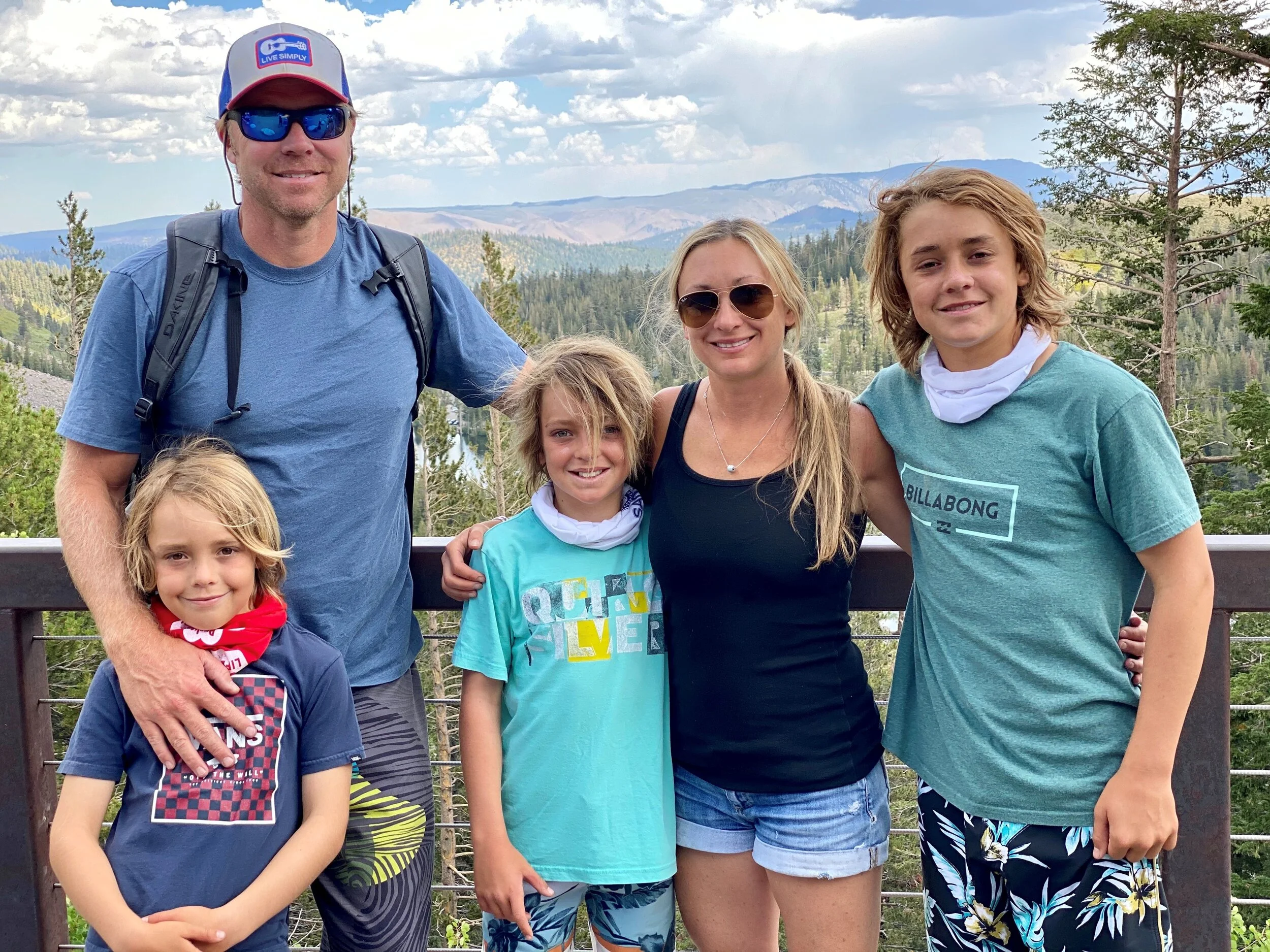
Daniel and his wife, Lindsey, and sons, Kian, Cade, and Kai, vacationing in Mammoth Lakes.

Daniel and his wife, Lindsey, and sons, Kian, Cade, and Kai, vacationing in Mammoth Lakes.

How has your daily routine changed since having to work from home?  During the work week/school week there is a Zoom call happening in every room in our home at every hour of the day, lol.  Actually, life has slowed down and we have really enjoyed spending this time together.  Hoping the kids look back on this time as a challenge but also with fond memories.

Your proudest achievement   My wife, Lindsey, and our Family.   

What was the last book you read?  “Born a Crime” by Trevor Noah.  It is an autobiography that details Trevor Noah’s (host of the Daily Show) life growing up in South Africa during the apartheid era.  It is a light and comical book that chronicles a very heavy topic.

We wouldn’t know it to look at you, but…  I was born and raised on a small Island in the Caribbean Sea, St. Croix, which is a part of the United States Virgin Islands. 

What advice would you give someone starting out in the construction industry?  No matter your role, listen intently, cultivate disciplined processes, and have fun.          

MEET THE TEAM: ERIC JOHNSON

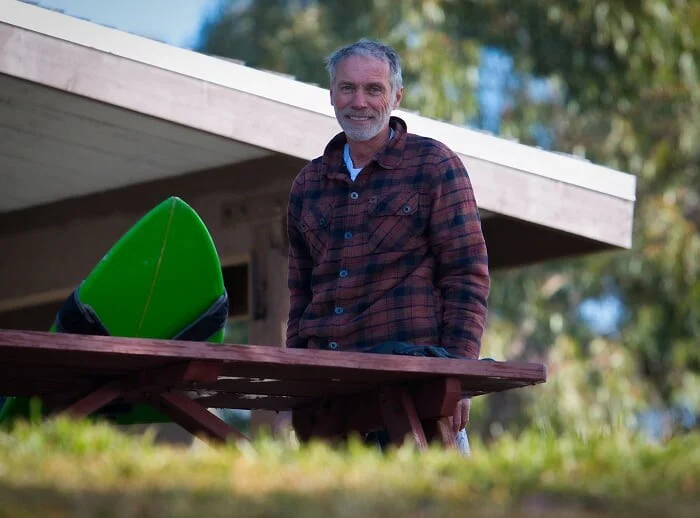
MEET THE GUY WHO OVERSEES ALLEN’S PRODUCTION TEAMS WHILE WORKING HANDS-ON WITH OUR PRE-CONSTRUCTION DEPARTMENT, ERIC JOHNSON, VP OF CONSTRUCTION.

EJohnson+Preferred.jpg

What do you do at Allen Construction

I started at Allen in March of 2012, when the company was Allen Associates. It’s been fun to watch the company change and grow, just as my position has along the way. I was hired as a project manager and have worked as a pre-construction project manager, a division manager for Santa Barbara, and now, in my current position, as Vice President of Construction.
What kind of projects do you work on?

I work with our sales and production teams from San Luis Obispo to West Los Angeles. I specifically enjoy meeting new clients and helping to find a way to make their vision a reality. An early shared vision with lots of communication around expectations helps make the production side of the project move easier and more efficiently. 

How did you get started in the construction field?

Arvid Dahlstrom sponsored my grandfather’s family when they immigrated from Sweden. He owned a small concrete business that employed several Swedish immigrants. So, it became a family affair. As a teenager, I went to work with my Dad, who was a general contractor. I worked for him as a general laborer, carpenter, and Jr. Superintendent. It was during these early years that I was first introduced to the construction scene in West LA. We worked for several well-known clients including Cher, the Hilton family, and Jerry Seinfeld. I am super happy to have landed at Allen Construction. It is, in my experience, the best construction company there is. 

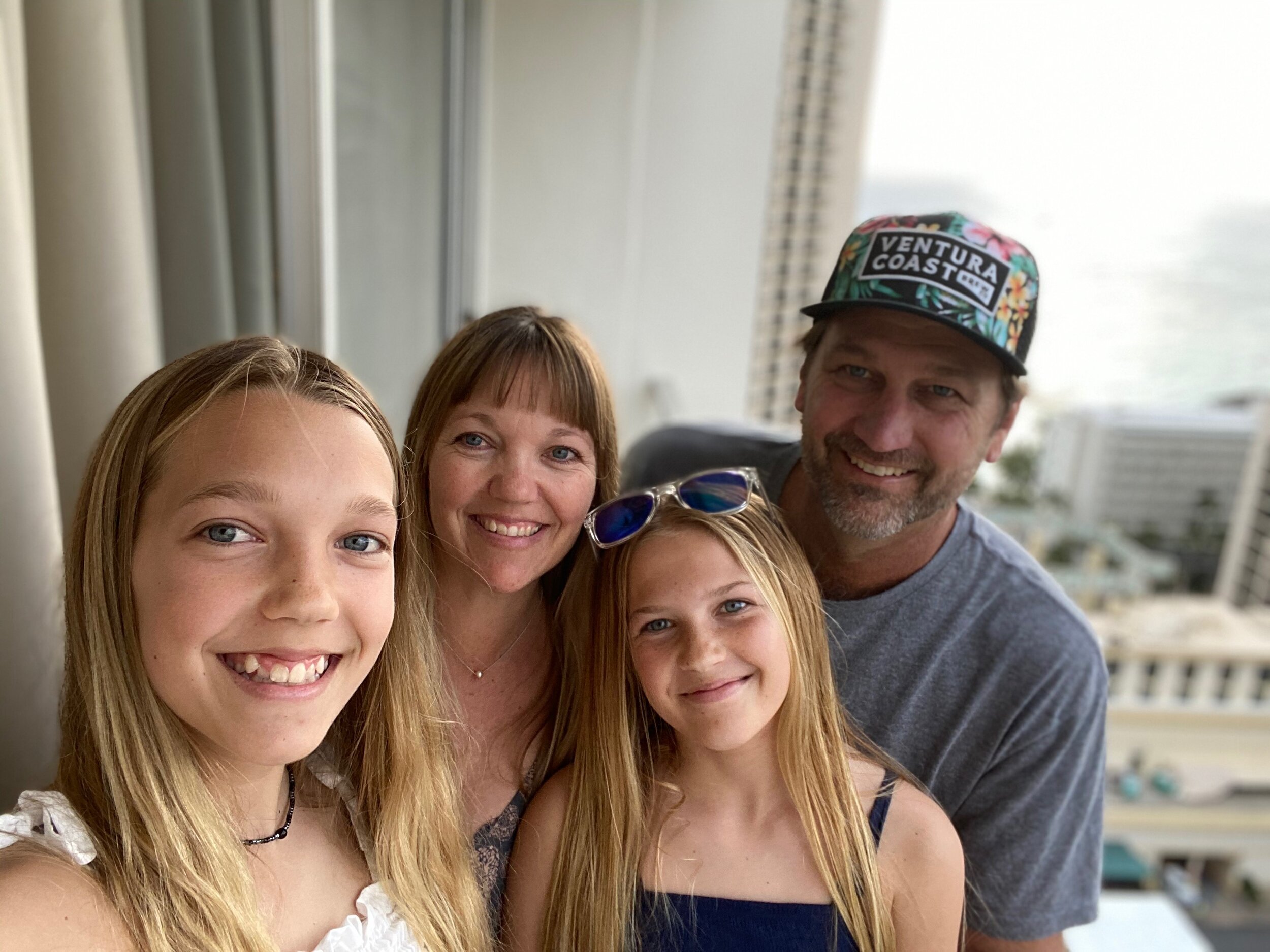
Eric in Hawaii with his wife, Trisha, and twin daughters, Kenya and Anika.

Eric in Hawaii with his wife, Trisha, and twin daughters, Kenya and Anika.

Where do you live?

I moved to Oak View three years ago and I love it. The population is under 5,000 and the sun shines almost every day. I live on a one-acre ranch with my wife Trisha, our twin daughters, Kenya and Anika, three very large tortoises, several chickens, two turkeys, a cockatiel, and our main man, Gridley the dog.  

How has your daily routine changed since having to work from home?

We lost two goats and a magnificent ram to a mountain lion early in the stay at home order. It was a trying time for the family, especially Trisha, as she cares incredibly deeply for our animals and the animal kingdom in general. Otherwise, I find periods of intense focus working at home. I also find times I want to pull my hair out. I do miss interacting with teammates and hearing about their goings on. Construction is a “boots on the ground” industry and homes don’t get built without people power. I am immensely grateful to all of the teams that run our jobsites all day, every day, during the pandemic.

What is your proudest achievement?

By far, my family. It is no small task to maintain a home life that is a refuge from it all. When my home life is good, I can handle anything life throws at me. Thank you to Trisha, the girls, and all the others that make up the extended Johnson clan.

What was the last book you read?

The Overstory by Richard Powers. It is a story of activism and of trees. It tells of the effort to save old growth forests and about the tree you had in your back yard as a kid. I really enjoyed the way the author wove several different adventures into one.

We wouldn’t know it to look at you, but…

I love long distance ocean swimming. This spring and summer have been really good because of the warmer water and flat surf. The lifeguards in Ventura spotted a great white on July 9th, so that added a bit of energy to the outing. For my birthday this month, I’ve asked my family for an ukulele. I’m excited to get started practicing for the Allen Construction talent show…

What advice would you give someone starting out in the construction industry?

Do not be afraid to ask for help. There is a moniker in construction that you can only get better with time, which is true to a point. However, you can reduce that time by advancing your understanding of the industry by talking and listening to others. Let those that have been around teach you about the mistakes they’ve made and how they’ve resolved them.   


PRIORITIZING CITIES FOR PEOPLE

Coronavirus Reinforces Notion That Places Without Cars Are More Pleasant

On average, Americans clock 13,000 miles driving their cars every year, mostly commuting to work. Annually, the average auto commuter spends more than a week on top of what would be an uncongested commute. In Los Angeles, the figure is three weeks spent idling in traffic. For every week, the time American commuters spend stuck in traffic collectively tallies to 2.5 million years.

To minimize social contact and maximize daily exercise, many cities across the planet have experimented with cyclists and pedestrians taking over streets during the pandemic.

To minimize social contact and maximize daily exercise, many cities across the planet have experimented with cyclists and pedestrians taking over streets during the pandemic.

The coronavirus and sheltering in place have reinforced the notion that places without cars are more pleasant. Even before the virus, many cities, especially in Europe, were adopting policies to reduce car traffic, while prioritizing pedestrians and cyclists. The main policy approaches to decrease auto traffic, singly and in combination, have been:

  • Make streets multimodal: designing roads to be shared, where all modes intermingle, often without sidewalks. Such streets slow vehicle traffic and require everyone to watch out for others.

  • Implement limited-traffic zones (LTZ) and/or congestion pricing: LTZ specify when and what types of vehicles may enter a designated zone. For example, cars may be restricted to night hours, delivery trucks to before 10 a.m., and taxis only when serving the disabled. Congestion pricing is another way to thin vehicular loads. London has reduced its air pollution and emissions by a third through zone pricing. San Francisco recently banned cars on Market St. It is now the exclusive domain of buses, streetcars, bikes, and pedestrians. Even Uber and Lyft must use side roads.

  • Eliminate street parking: Limiting parking reduces car trips, especially when accompanied by increased public transit. Copenhagen has removed 2-3 percent of its street parking each year for more than a decade. This freed up public space for other uses. U.S. zoning codes often require parking, thus increasing congestion.

  • Boost transit options: Limiting car traffic only works in tandem with a healthy transit system. Smaller cities struggle to develop robust transit.

To minimize social contact and maximize daily exercise, many cities across the planet have experimented with cyclists and pedestrians taking over streets during the pandemic. Paris, as well as more than 100 other cities in France, has been leading these initiatives. The mayor of Paris created over 400 miles of cycleways for essential workers during the lockdown; some are express routes for e-bikes. These efforts have merely accelerated the mayor’s plan to remove 72 percent of on-street car parking and create bike lanes.

Many American cities are starting to adopt some of these traffic-reducing strategies but more timidly than the European trailblazers.

Bicycles came to the rescue during the 1973 oil embargo. They are offering new ways to organize our streets during this pandemic. If given priority, they could help mitigate another global crisis: climate change.

DAllenPreferred.jpg

Dennis Allen is chair of Allen Construction, an employee-owned company committed to building and operating sustainably. He also serves as chair of the Dean’s Council at the Bren School of Environmental Science & Management at UCSB and as a boardmember of the Santa Barbara Museum of Natural History.

MEET THE TEAM - MATT CALIGIURE

MATT CALIGIURE, Production Manager of Allen’s Remodel Division, and his team do everything from additions to full house remodels. Get to know Matt with our Q&A.

What do you do at Allen Construction

I’ve been an Allen employee-owner for nearly a decade, wearing several ‘hats’ along the way from dabbling in carpentry/labor tasks, estimating and managing projects, to serving as Trustee for our ESOP (Employee Stock Ownership Plan).  Currently, I’m the manager of our Remodel division, facilitating our in-house crews, and trying to manage a project here and there in order to maximize my efficiency!

What kinds of projects do you work on?

Our team performs a wide array of projects that fall into the $200k-$1m cost category.  We’ve got a special group of project leaders from top to bottom, full of sharp PM’s and amazing foreman.  I’m really pleased with the team we’ve got and enthusiastic about our direction. I believe that projects in this category embody the heart and soul of Allen Construction.

How did you get started in the construction field?

My father and grandfather are both carpenters back home in Connecticut.  Growing up, over and over I heard the refrain, ”work with your head, not with your back”, and “‘you don’t wanna do what we do.”  Over time, I dabbled with some wood projects and slowly drifted toward the trades.  When we moved to SB, I had the opportunity to start running projects, and it’s been a developing career for me here at Allen ever since.      

Matt and his son, Pete.

Matt and his son, Pete.

Where do you live?

After spending seven blissful years living in a little loft in Summerland, my wife, Bethany, and I moved to downtown SB when our son, Peter, came along.  We’ve also got Poppy dog, who has become a stalwart of the Allen Construction offices and jobsites for the last seven years.  What a life!   

A typical day in the life looks like…

Ask me this question on any particular day and the answer is going to be different!  It has been both a challenging and rewarding time – certainly worth reflecting on the implications. 

Your proudest achievement

Hmmm…..Achievements come and go every so often, but I think the decision to partner up with Bethany and cultivate a life together as a family has definitely been the most rewarding facet of my life.       

Matt.JPG

Matt with his wife, Bethany, and son, Pete.

What was the last book you read?

The Unbearable Lightness of Being - a novel by Milan Kundera.  A heavy read during the onset of a pandemic, but some of the philosophical undertones are actually very relevant at the moment and also quite freeing. 

We wouldn’t know it to look at you, but…

I fancy myself an amateur naturalist…

What advice would you give someone starting out in the construction industry?

Regardless of your position – work hard, be humble, and look for opportunities to help others around you.  If you want a different path and are up for the challenge, there is room in this industry to create one for yourself. 

SUSTAINABLE FLOORING

Flooring expert Ryan Reed of Coast Supply Co. Shares Three Favorite Green Flooring Options

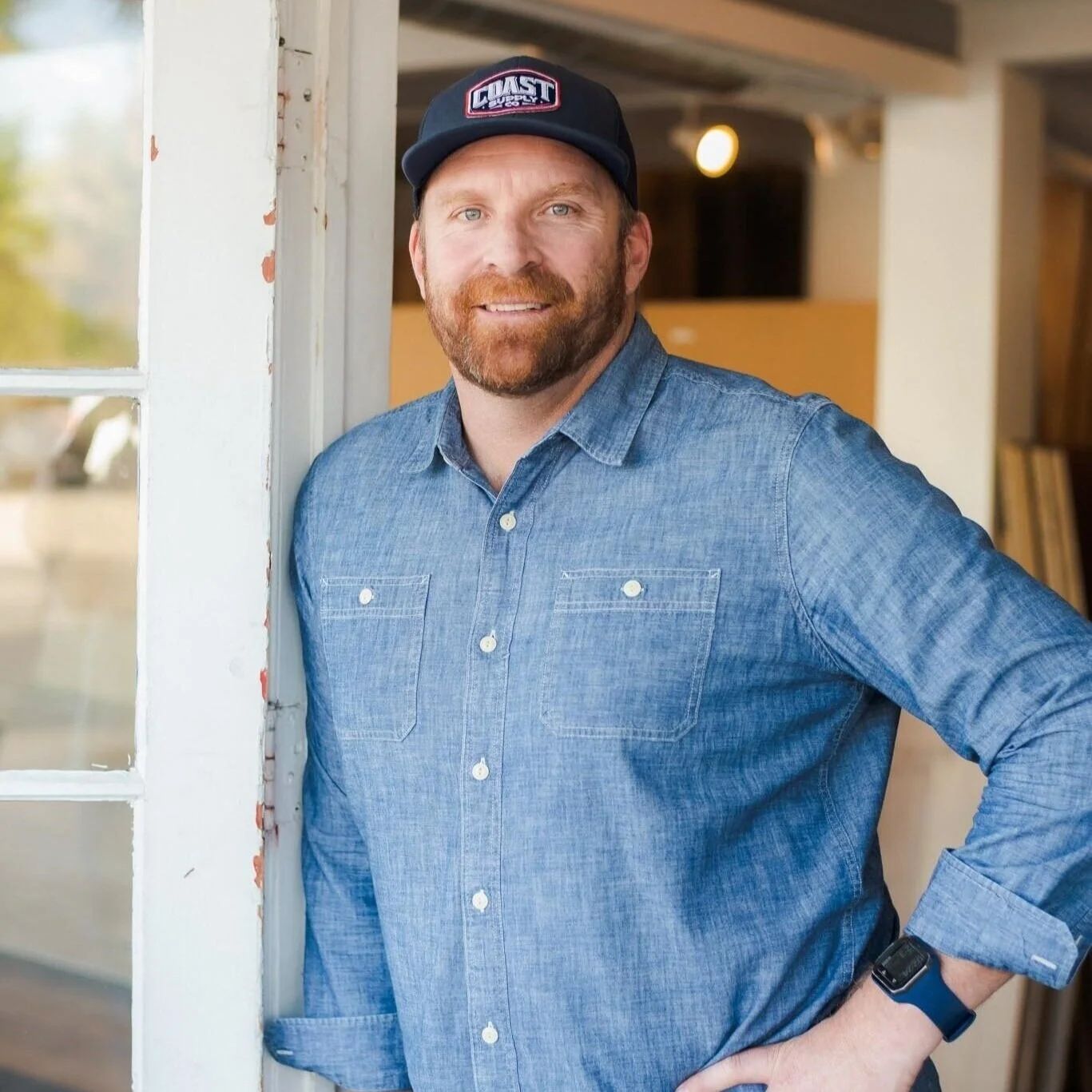
Ryan Reed, President, Coast Supply Co.

Ryan Reed, President, Coast Supply Co.

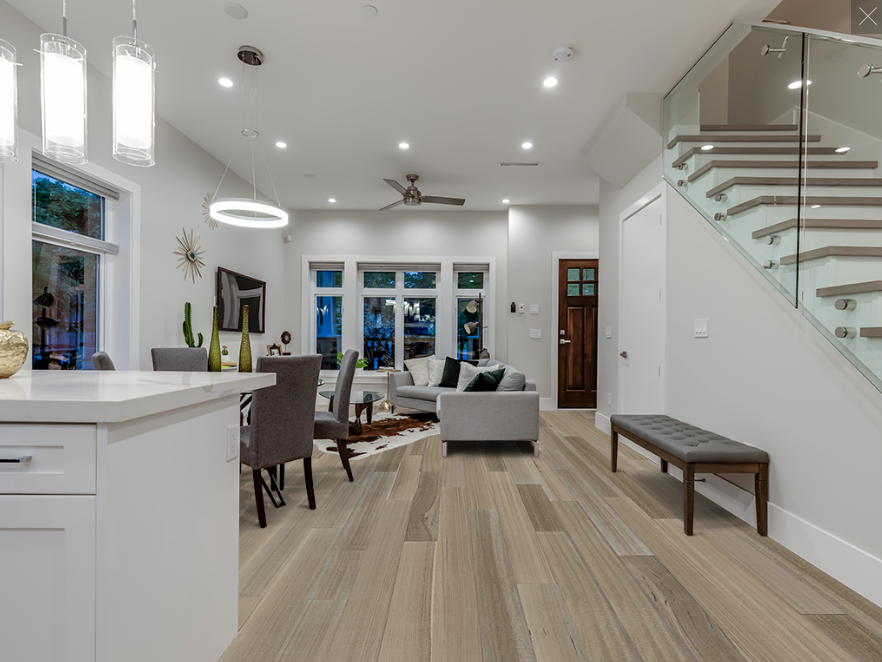
Eucalyptus is sustainably harvested and is a visually gorgeous material. We carry it in several colors, each with a long, straight grain that almost looks like clear fir. It is sustainably harvested and has a sleek modern feel to it. It is a 100% renewable crop, is harder than oak flooring, and can be naturally oil finished. Another benefit is that eucalyptus takes a stain better than maple does, so when clients want a clear grain, it lends itself to be at the mercy of our flooring craftsman's hand.

After laying flooring for more than 15 years in Santa Barbara, I've had the opportunity to see, touch, and feel a variety of green floors. Why am I recommending these three?

Just like Allen Construction, we take seriously the integrity that should come with recommending green products. We provide our clients with accurate information, and sometimes that requires extra effort to peel back the layers and reveal just how "green" a product really is. That being said, my three favorite (although lesser-known) options for green alternatives are eucalyptus, cork, and linoleum.

Eucalyptus flooring

Eucalyptus flooring

Cork Flooring install.jpg

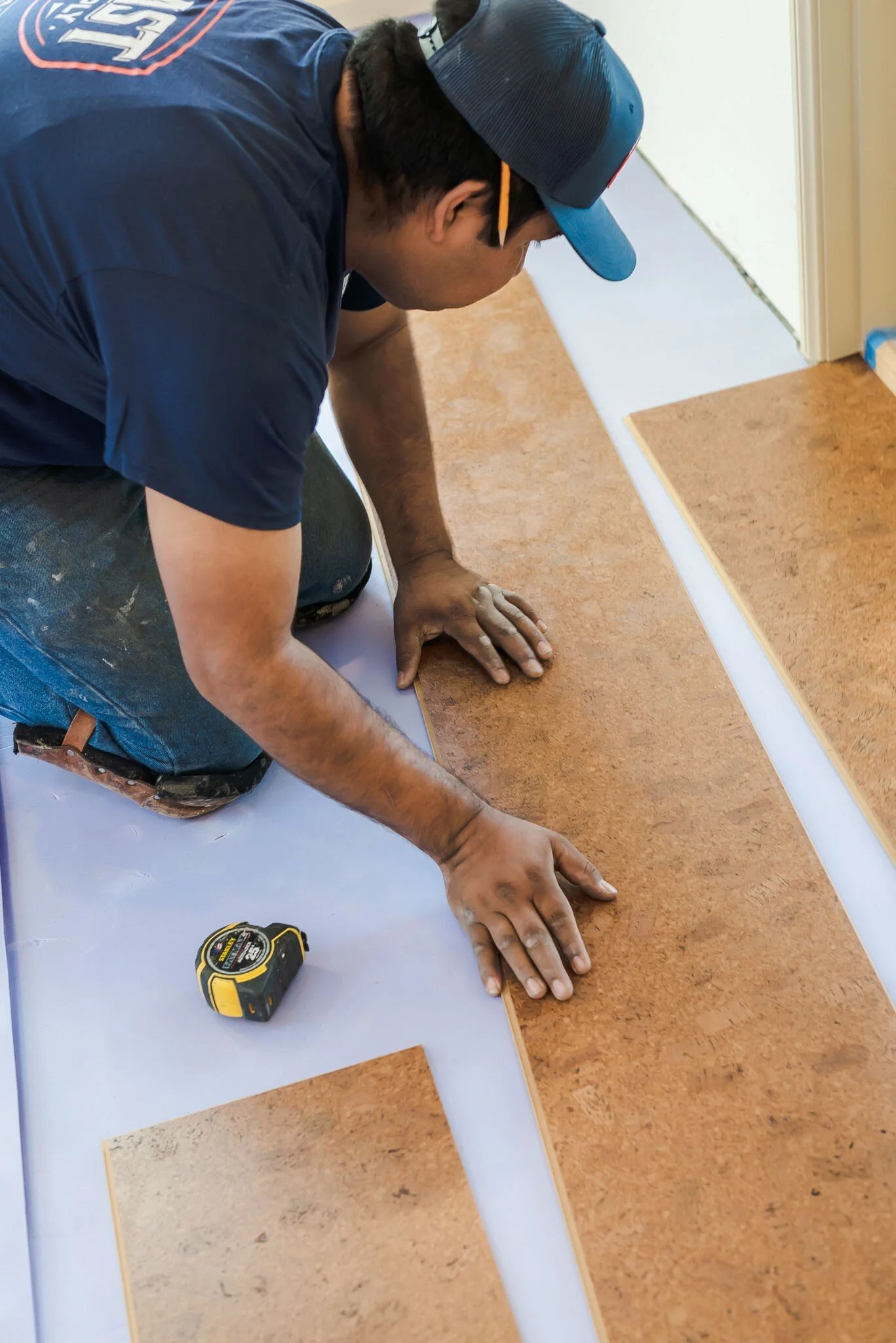
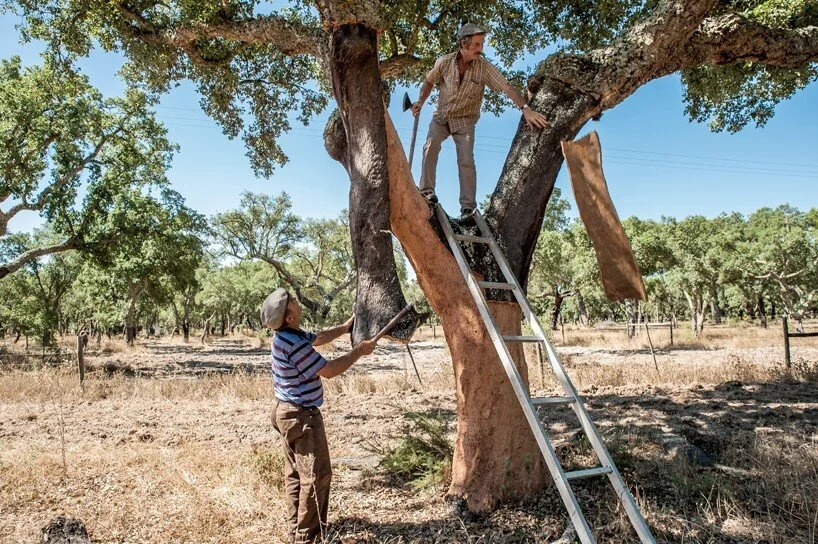
My second choice for environmentally friendly flooring is cork flooring. Some clients think cork would not be durable because it's soft, but the opposite is true. Did you know cork flooring lines the halls of the Smithsonian Museums? It has proven the test of time with millions of people walking on it every year. Not only that, no trees are cut down to harvest cork. Cork is an outer bark, a living layer they remove from cork trees (usually from forests in Portugal) that regrows every 5-10 years. It is antimicrobial, environmentally friendly, incredibly durable, beautiful, and one of our best insulators for heat, cold, and sound. Cork, in my opinion, is one of the best, yet most overlooked flooring options on the market.

Sustainable harvesting of cork.

Sustainable harvesting of cork.

And lastly, we come to linoleum. What we use today is not your grandma's linoleum. Instead, it is the linoleum your great-grandmother had in her home 100 years ago. The rise of modernity over the last 100 years brought patterns, and with patterns came other synthetic ingredients like plastics to create what we now call vinyl, not linoleum.

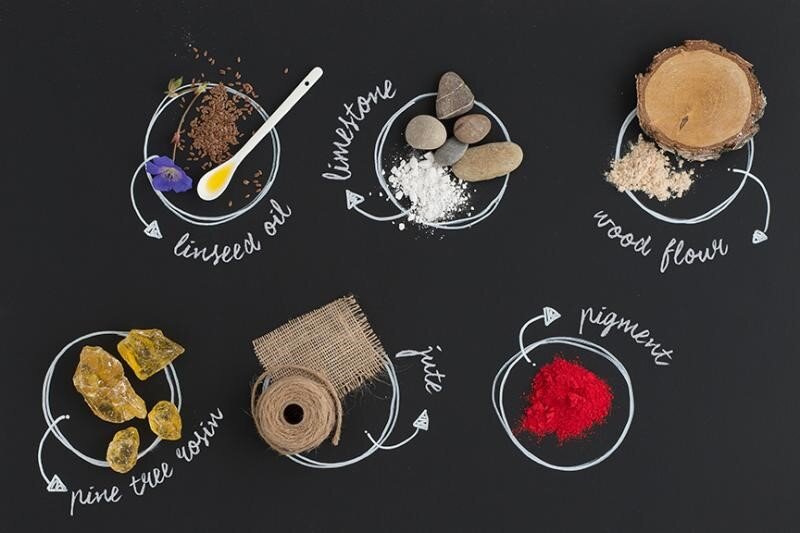
Ingredients in linoleum.

Ingredients in linoleum.

True linoleum, in my opinion, is as organic as they come. Made from linseed oil mixed with wood resin, and laid on a jute backing, this is an all-natural product. I love the smell of it, and it wears like iron if properly installed. The installation of linoleum is a little tricky. Because it is so thick and heavy, it comes in smaller 6'7" rolls, compared to the standard 12 to 15-foot rolls that most carpet comes in.

Our favorite linoleum manufacturer is Forbo. They have been around for 100 years (even longer than Coast!). They create an amazing product, and their color palette is incredible. In the last several years, they've developed more options by bringing linoleum tiles to market so you can click together or glue down tiles of linoleum to create patterns.

After reading my recommendations, are you surprised bamboo didn't make the list? Remember that if you search the internet for information on a product, you can always find favorable and compelling articles because the manufacturer writes them. In contrast to this "greenwashing", we are a supplier unbiasedly looking for the best product for your needs. After 75 years in business, we’re even more committed to offering our clients a balance of the most environmentally friendly options without sacrificing durability or aesthetics.

logo.png

Coast Supply Co.

coastsupplyco.com

805-684-6565

10 EASY WAYS TO COZY UP YOUR HOME

Ariana+Lovato.jpg

EASY DESIGN IDEAS FROM ARIANA LOVATO HONEYCOMB HOME DESIGN

Now, more than ever, is the perfect time to cozy up your home! Making a house feel like home might be easier than you think. It’s not always about the perfect bed spread or a luxurious couch, but rather a feeling of bringing a space to life and finding happiness in the small things.

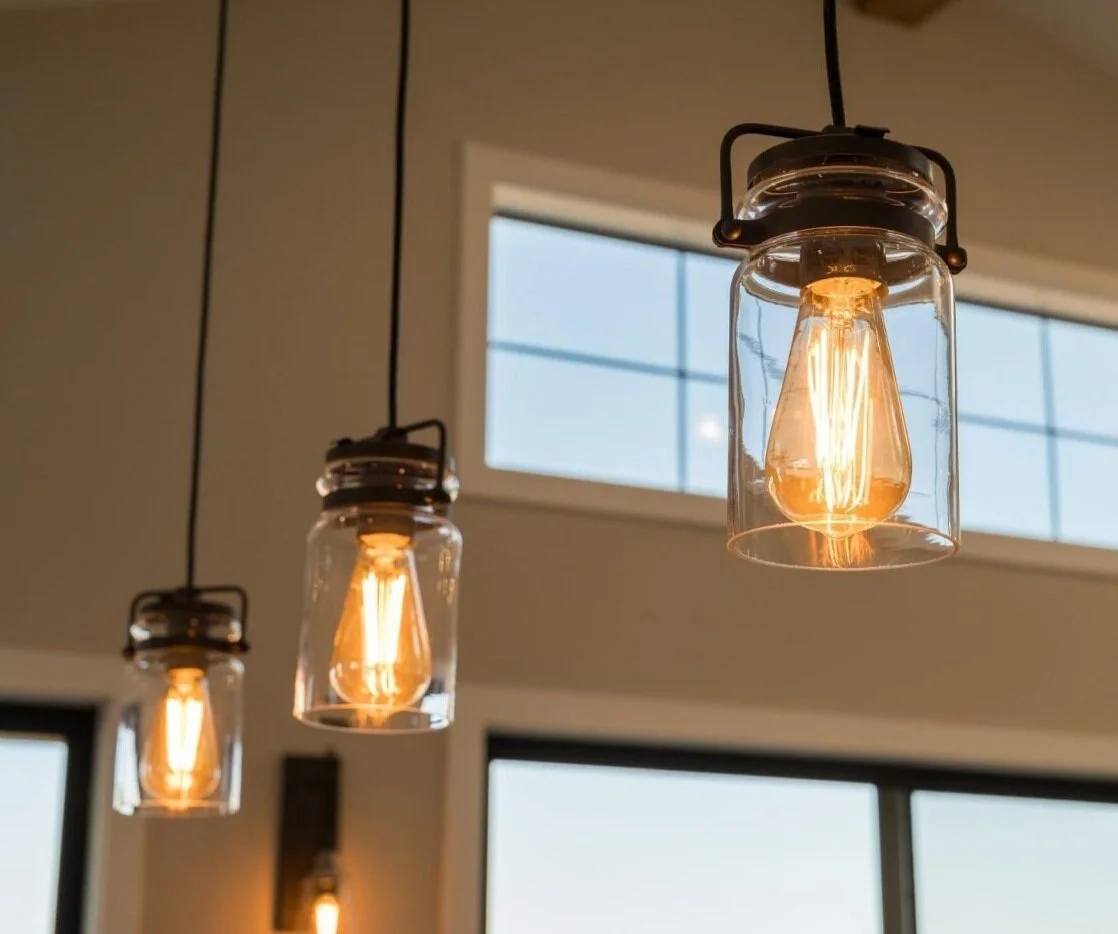
Lighting.jpg

Lighting

Warm and soft lighting throughout your home can create an inviting atmosphere and it’s easy to do! Instead of harsh task lighting and bright overhead lights, incorporate a few lamps throughout your space for a feeling of ambiance. It’s important to have levels of lighting in a space to help you wind down at the end of the day with softer, amber light. After the sun goes down, switch on a few lamps and you’ll be on your way to creating a cozy ambiance in no time!

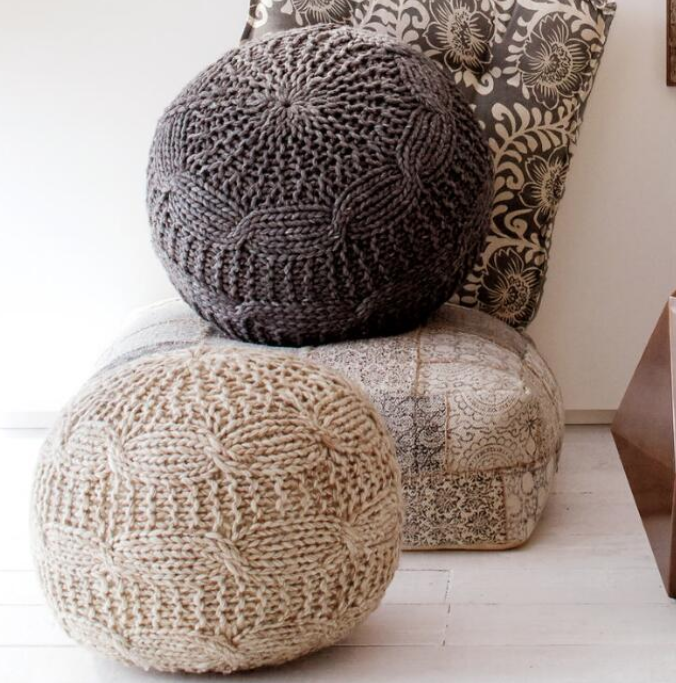
Pillows.png

Pillows

Pillows always make a space seem more inviting, wouldn’t you agree? Adding different textured pillows to your couch can make it feel way more comfortable and inviting. Pillows are also a great way to add pops of color, or mix it up with some fun patterns from time to time. However, pillows don’t just look good on the couch or on your bed. Try putting big pillows on the floor for more seating, such as a meditation cushion or pouf to add a real sense of coziness to your living space!

pillows 2.png

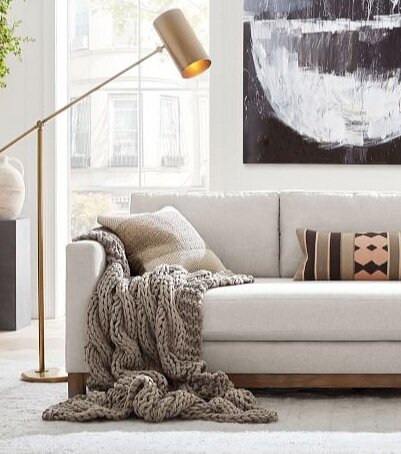
Throws

Throws.jpg

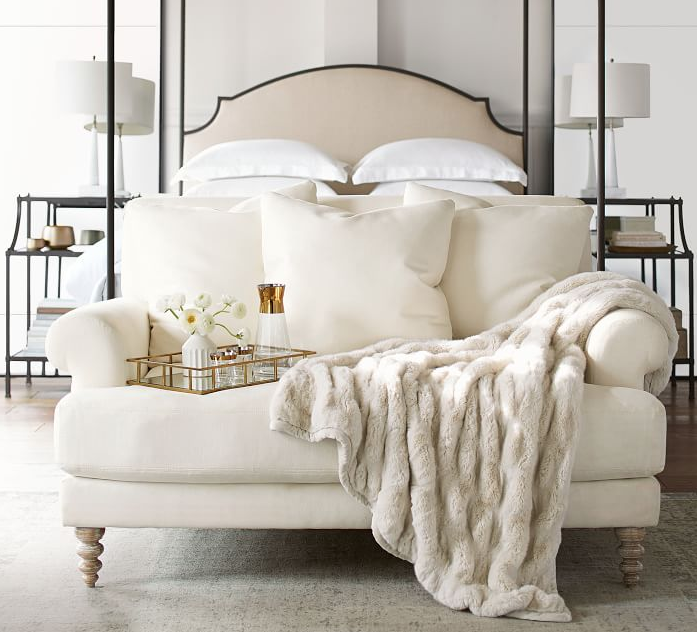
Throws add an interesting element to the home without being intimidating. They add texture to a space and make a room seem more lived in and approachable. When you’re going for cozy, this is exactly what you want. Nobody is going to feel intimidated or like they can’t sit on the couch in a cozy space. Draping different throws over a chair, on your couch, or even at the end of your bed, will make it feel like you’re ready to cuddle up with some hot tea while still looking stylish, which is a perfect match if you ask us! Here’s one of our favorite throws - the chunkier the better, right?

Throws 2.png
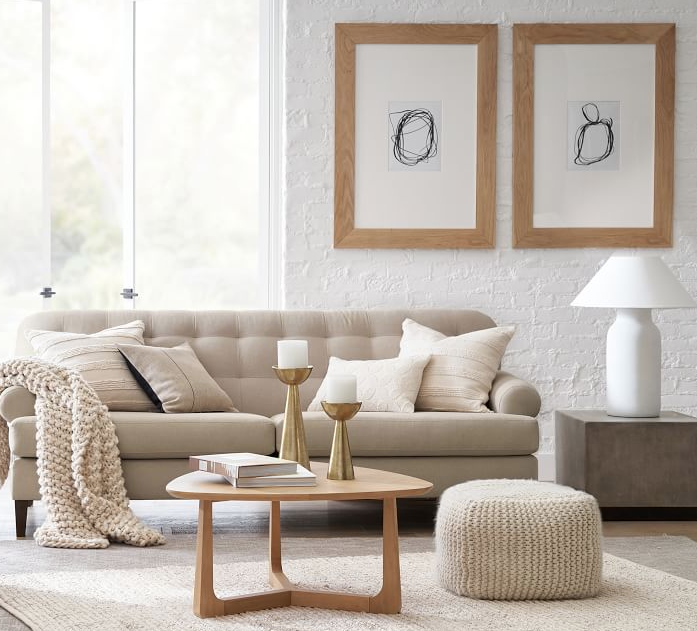
Candles.png

Candles

Candles 2.png

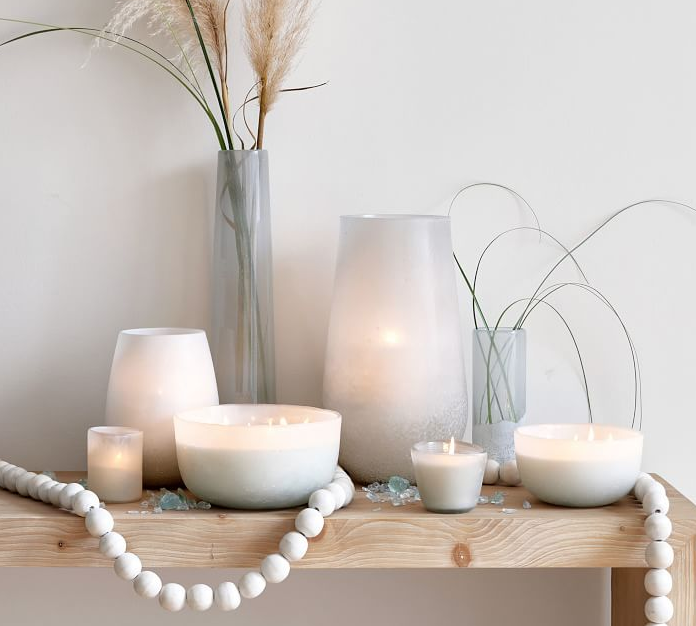
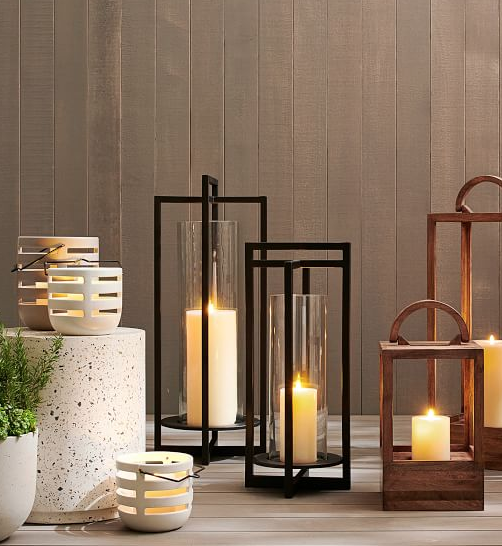
Is there anything more cozy than flickering candles? We don’t think so! The warm flickering light creates an ambiance that can be appreciated by anyone. We recommend lanterns, hurricanes, and votives to add some color and texture to the space while honoring the beautiful glow of candlelight! Check out these gorgeous scented candles in sea glass we found from Pottery Barn to have your home smelling like Sel de Mer!

Curtains

Curtains not only keep the warmth in, but they also cozy up your otherwise bare windows! They are an easy way to instantly make your home feel more homey and are great for adding texture and color if you feel your space is lacking in those areas. It can also be fun to swap out heavier curtains for some lightweight pastel ones during spring to change up the look and feel in your home.

Scents

Whether it’s mulled wine on the stovetop, a fresh batch of chocolate chip cookies in the oven, or your favorite scented candles, nothing says home like basking in your favorite smells! There are so many ways to incorporate cozy scents into your home, from fresh flowers to incense to DIY stovetop potpourri. Stovetop potpourri is a natural and easy way to freshen up your home with ingredients you most likely already have. Just cut up a few lemons and throw them into a pot with some water, add some fresh herbs and simmer on the stove to achieve a fresh citrusy scent throughout the house. For a more autumnal scent slice up some oranges and apples, then add some cinnamon sticks, cloves, star anise, or whatever you’re feeling! We encourage you to make your home your own and that includes all the scents you love!

rug.png

Rugs

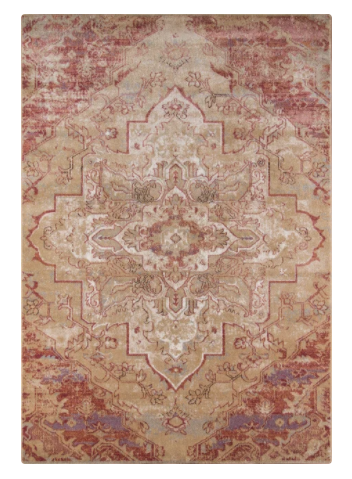
Rugs are an amazing cozy addition to any home and can instantly warm up a space that may have hardwood or tile flooring! We can’t think of one room that wouldn’t benefit from not having a rug. Try a runner in front of your kitchen sink, in your laundry room, or even in the master bath for some added coziness! With the ability to layer multiple textures, colors, and designs, rugs can add a lot of interest to your home while warming up the space! Try layering this gorgeous red traditional rug over a jute area rug to add some dimension to your family room!

Entryway

The entryway into your home is always the first impression and sets the mood for how your guests, or even you, feel when you step into your home! No matter how grand or how nonexistent your foyer may seem, there are a few simple things you can do to make it more functional and welcoming to all those who enter your home. We suggest hanging wall hooks or even a mirror. Not only will these give your space a purpose, but it can also make the entrance feel a bit more homey! Another easy way to define your entry way is with a rug, and we already talked about how cozy rugs can be!

Plants

Plants are amazing because they not only look great in your home, but they also add a sense of liveliness to the space! Another bonus is you get to choose a variety of different pots and planters to put them in. Go for warm tones like terra-cotta or textures like seagrass and wicker for a sense of texture and variety!

Memories

Nothing says home more than all of your beautiful memories hanging on the wall! If you have photos of your family, take the time to hang them up, you won’t regret incorporating all your happy memories into your home decor. Avoid completely empty walls unless you’re trying to make a bold statement, otherwise fill your walls with your favorite art and family photos!

You can follow Ariana on Instagram @honeycomb_homedesign or visit her website at HoneycombHomeDeisgn.com.

Photos courtesy of Honeycomb Home Design.

GOING PLASTIC-FREE (ALMOST)

The New Dirty Word: Plastic!

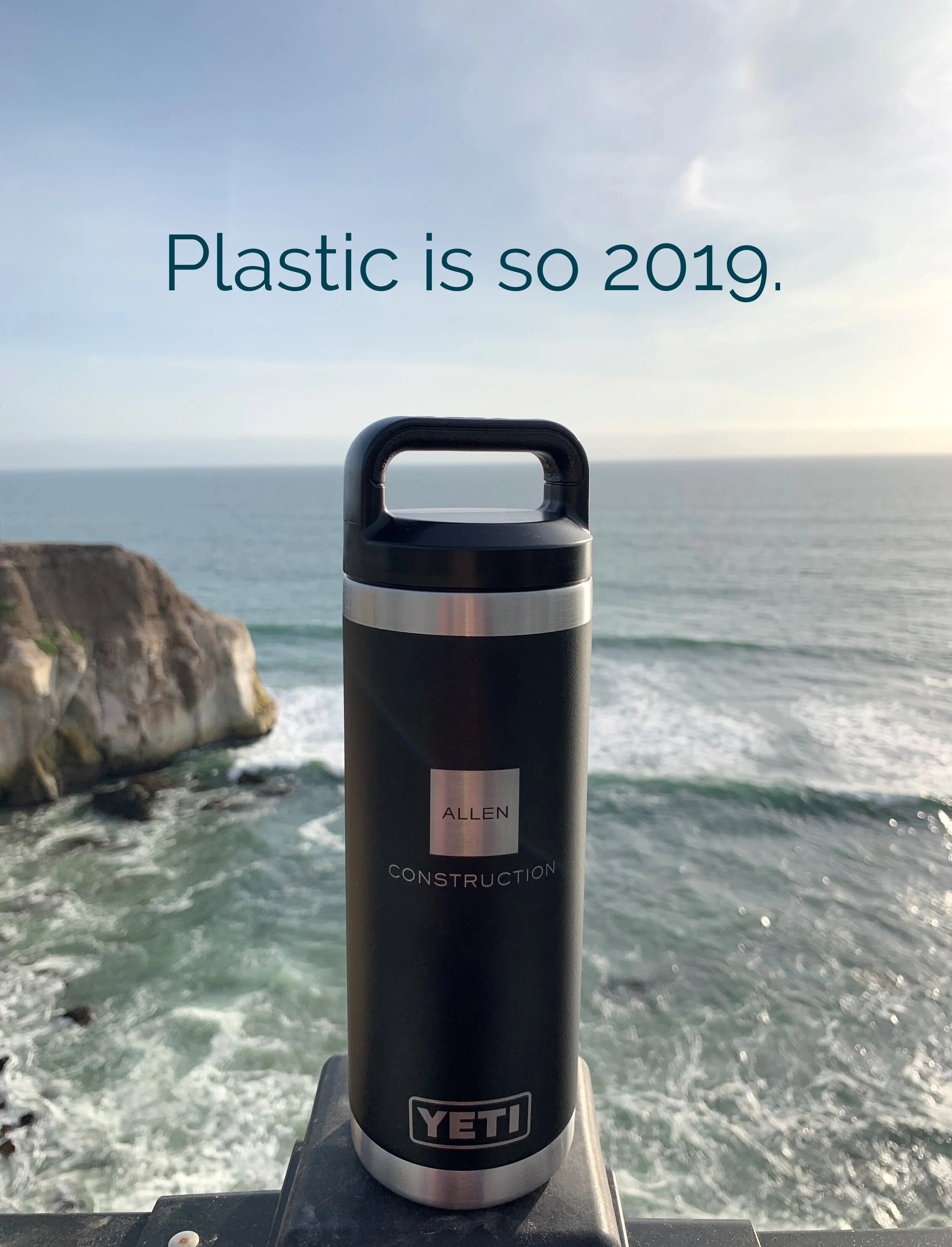
Yes, we are going to talk about the scary, dirty word: plastic. By now, we have all seen the video of the turtle with a straw stuck in it or gone to a restaurant and used a paper straw (that, to be fair, barely lasts the full drink.) But what does that mean for us as individuals on a day-to-day basis? Well, for me, it’s more about bringing awareness, knowing the facts, and finding ways that I can decrease my overall impact.

Lindsay HelmickCFO, Allen Construction

Lindsay Helmick

CFO, Allen Construction

Every person reading this has used a plastic bottle, many of whom likely used one in the past day or week. Plastic, in the recent decades, has become a staple of convenience and a modern lifestyle. What we all don’t realize is that plastic takes approximately 400 years to decompose. However, some of it is recyclable, if done right. I recently learned some interesting statistics. First, that globally, humans buy a million plastic bottles per minute. Second, that 91% of all plastic is not recycled! On top of that, it is estimated that over half a trillion plastic bottles will be sold in 2020. That means 250,000,000,000 bottles will not be recycled. That is a lot of zeros, and a lot of bottles, that will be sent to our landfills or oceans for another 400 years. I, for one, do not like looking at bouquets of plastic bottles. They don’t have the same appeal as roses.

When I heard those statistics, I immediately thought that they can’t be right, that clearly there is a mistake in the math (typical accountant). I learned that there is a lot more to recycling plastic than simply throwing the plastic in the blue bins. In Santa Barbara, the plastic bubble wrap that comes in your Amazon package is not recyclable. This is called film plastic and needs to be recycled in a different collection system, not in our beloved blue bins. There are many places here in town that will take these off your hands and recycle them properly, however, you have to drop them off. (There is a link below with a list of locations in Santa Barbara.) Plastic bags and film plastics are not acceptable to recycle in the blue bins. These are items like saran wrap, pallet wrap, produce bags, food bags and wrappers, or any other type of flexible plastic wrapping.

Water Bottle with copy.jpg

Plastic food containers also cannot be recycled. Ever heard of "wishcycling"? It's when you throw plastic in the beloved blue bin that, unfortunately, can't be recycled, even though you really want it to be (looking at your Ziploc bags and salsa cups). When you do that, you're actually contaminating the recycling and making it more difficult to recycle the rest. I'm totally a wishcycler - I didn't know you couldn't recycle milk cartons or plastic forks! Check out this list to see if you're wishcycling in SB!

All items in the blue bin should be empty, clean, dry, and loose (not bagged). 
Metals ✅ 
Clean and dry Paper and Cardboard ✅
Glass ✅ 
Hard Plastic Bottles ✅ (a plastic bottle that once contained a liquid is good: shampoo, soda, water, soap, etc.)
Flimsy Film Plastic ❌ (plastic bags, wrappers, packaging wrap, saran wrap, etc.) See link for local drop-offs for clean film plastics.
Styrofoam ❌
Cartons ❌ (milk carton, soup carton, juice box, etc.)
Plastic Containers that once contained food ❌ (yogurt cup, salsa container, peanut butter jar, egg container, etc.)
Food contaminated materials ❌
Pizza boxes ❌
Electronics ❌
Hazardous chemicals ❌
Household batteries ❌ (these can be recycled if they are sealed in a clear plastic bag and placed on top, not inside, your blue bin on collection day.)

As consumers, we have so much power to change the world by just being careful about what we buy and use. Plastic is in everything and we don’t even realize how often we come into contact with it or how little of it actually gets repurposed. I recently finished my first “plastic-free” month. I put that in quotations because I definitely was NOT 100% plastic-free. It is a lot harder than it sounds. But that's WHY I did it. To open my eyes to how I can reduce my plastic consumption long-term. It's not easy, because our culture isn't built for it, but my intent was not to be perfect with the challenge, but to be more aware and conscientious of what my personal contribution is to the growing problem of plastic taking over our planet. At the end of the day, I was able to fit plastic I had used into one small…you guessed it, plastic bag.

For me, the journey to a plastic-free lifestyle isn’t about being 100% plastic-free, it’s really about awareness and shedding light on the issue as a whole.

Click Here for Film Plastics Drop-Off Information 

KITCHEN CABINETRY TRENDS 2020

Valentich Cabinet Pullout Features CROPPED.jpg
CVonGuenthner Preferred.jpg
photos by Jim Bartsch

photos by Jim Bartsch

Corinne von Guenthner of CvG Designs, shares her top kitchen cabinetry design trends for the year. You can learn more about her on her website at CvGDesigns.com

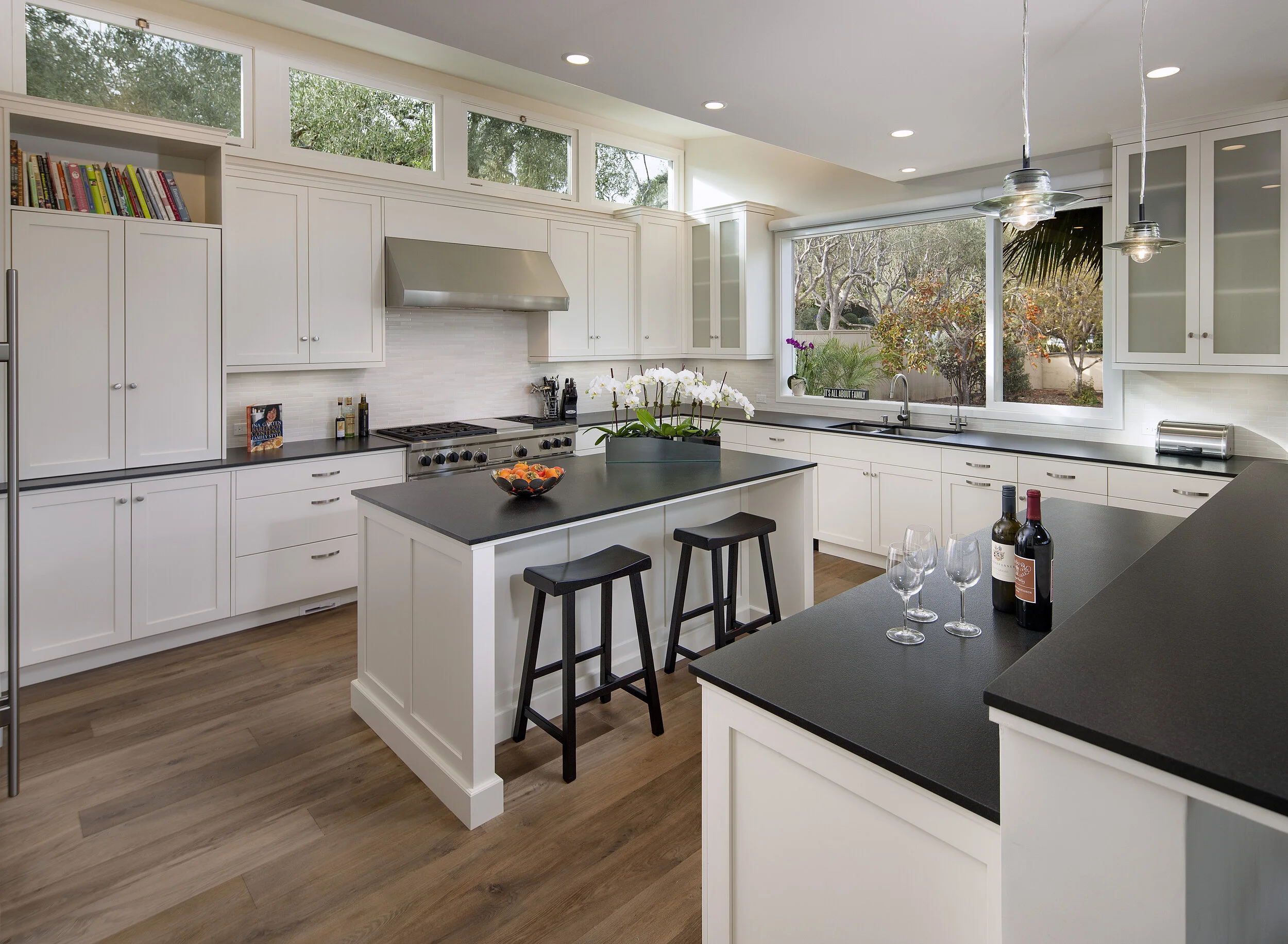
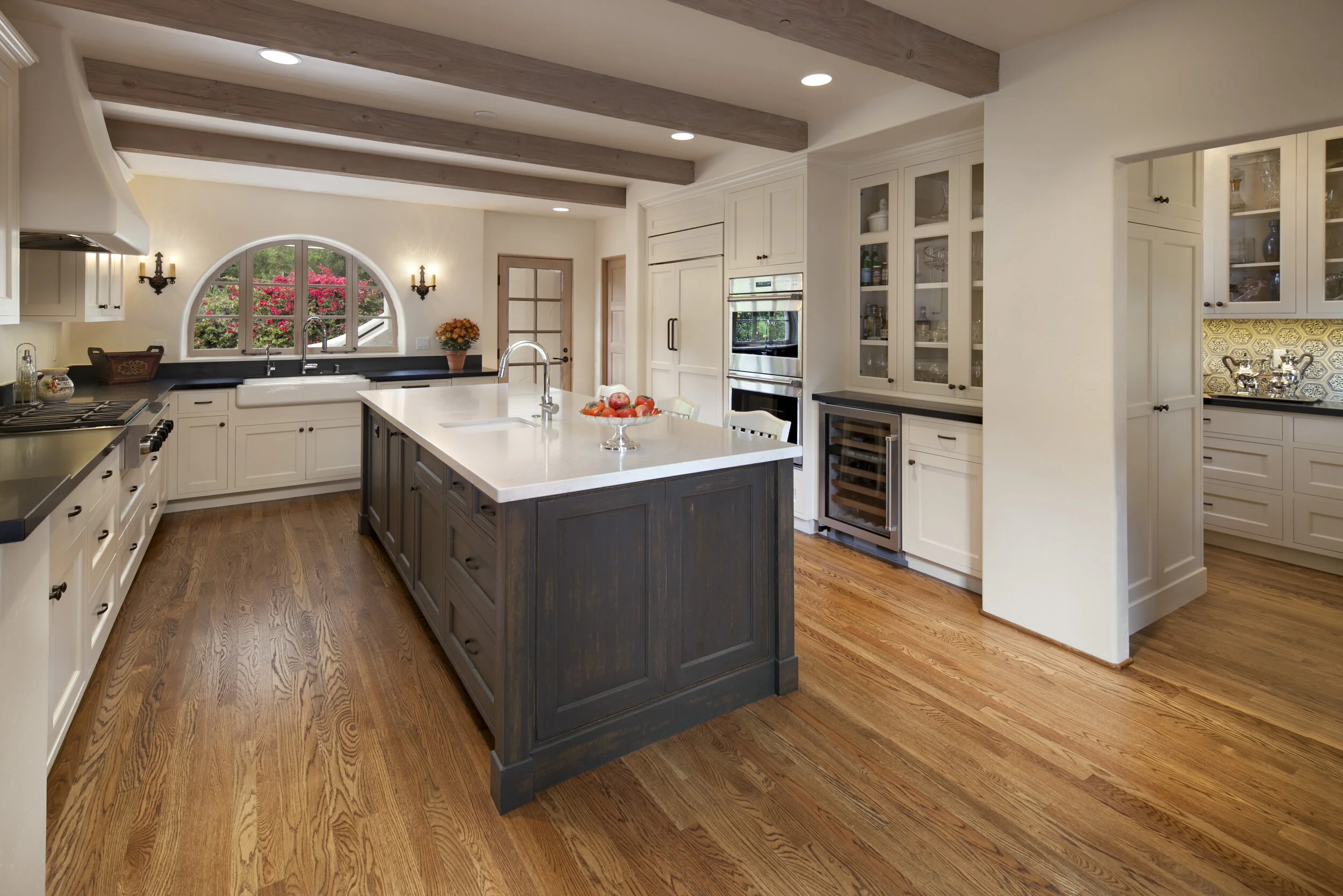
White painted cabinets endure, while blues & greens trend. White cabinetry continues to lead the way across all kitchen designs from Traditional, Contemporary, and the evergrowing Transitional style. Using brass or black iron accents on the hardware and fixtures is a way to keep things feeling hip and on trend. Those accents can easily and inexpensively be changed out in years to come to keep things looking fresh on the classic white cabinetry foundation.

Wilson Ungerer J Bartsch.jpg
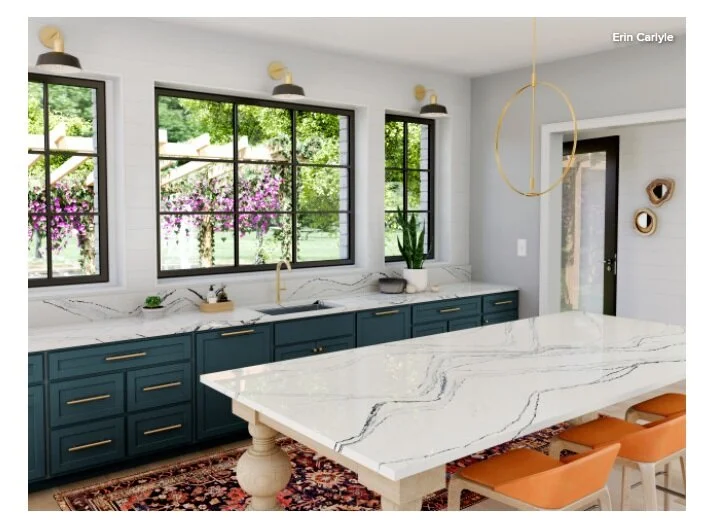
Photo courtesy of Cambria

Photo courtesy of Cambria

Reiterating Pantone’s 2020 color of the year, “Classic Blue,” blue-hued painted cabinetry is gaining energy in the everyday home. A wide range of blues are seeing popularity, from deep navy tones to light dusty blues. I am also seeing a color trend with greens, from jewel-toned emerald to earth-toned olive. And painted color cabinetry is not just for the island accent anymore, many homeowners are choosing color for their perimeter base cabinets or for the whole kitchen. I try to keep the other materials & finishes neutral and grounded if there is more color on the cabinetry.

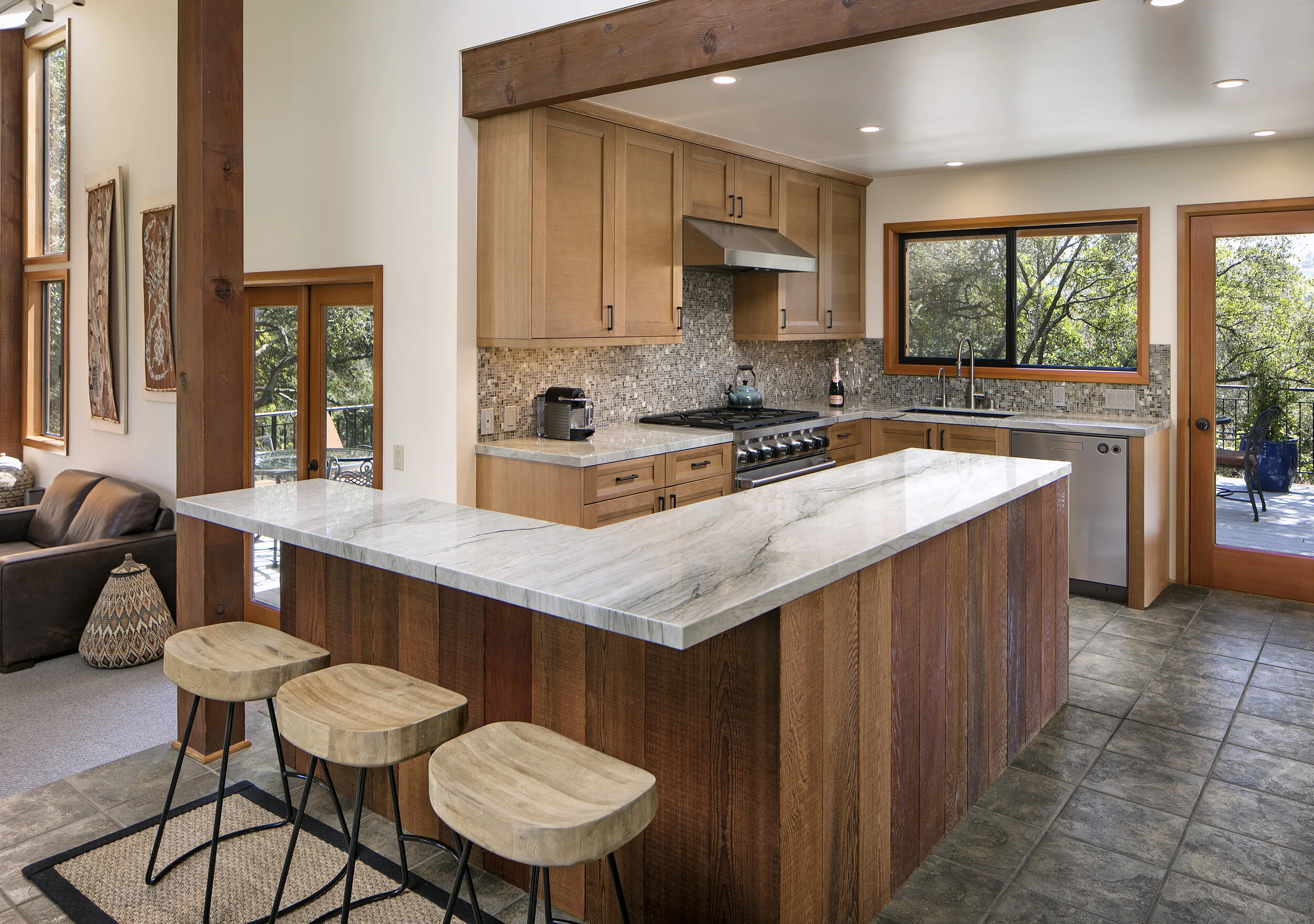
Aside from painted cabinetry, real wood finishes will always stand the test of time. Most notable trends are light natural wood finishes with character grain and texture, showcasing the wood’s natural beauty and emphasizing its sustainable quality.

2016 Holbrook Schmitt (1).jpg
2017 Claassen (1).jpg

Shaker style doors endure, while updated details make the trend fresh. By most studies, a variation of the Shaker door style accounts for likely half of all new and remodeled kitchen designs. The understated, timeless simplicity has been used in Southern California kitchens for almost 100 years for a reason. Cabinetry is the biggest investment in a kitchen and many homeowners want to choose a door style that they won’t get tired of easily or will date their kitchen to a specific era. The Shaker door style bridges the gap between all the design styles and allows flexibility for future design alterations. Updated details to the Shaker door style are what’s trending to keep it from feeling lackluster. Thinner stiles & railson the door frame, and small corner and edge details can keep cabinetry doors from looking common or like they came off the warehouse shelf.

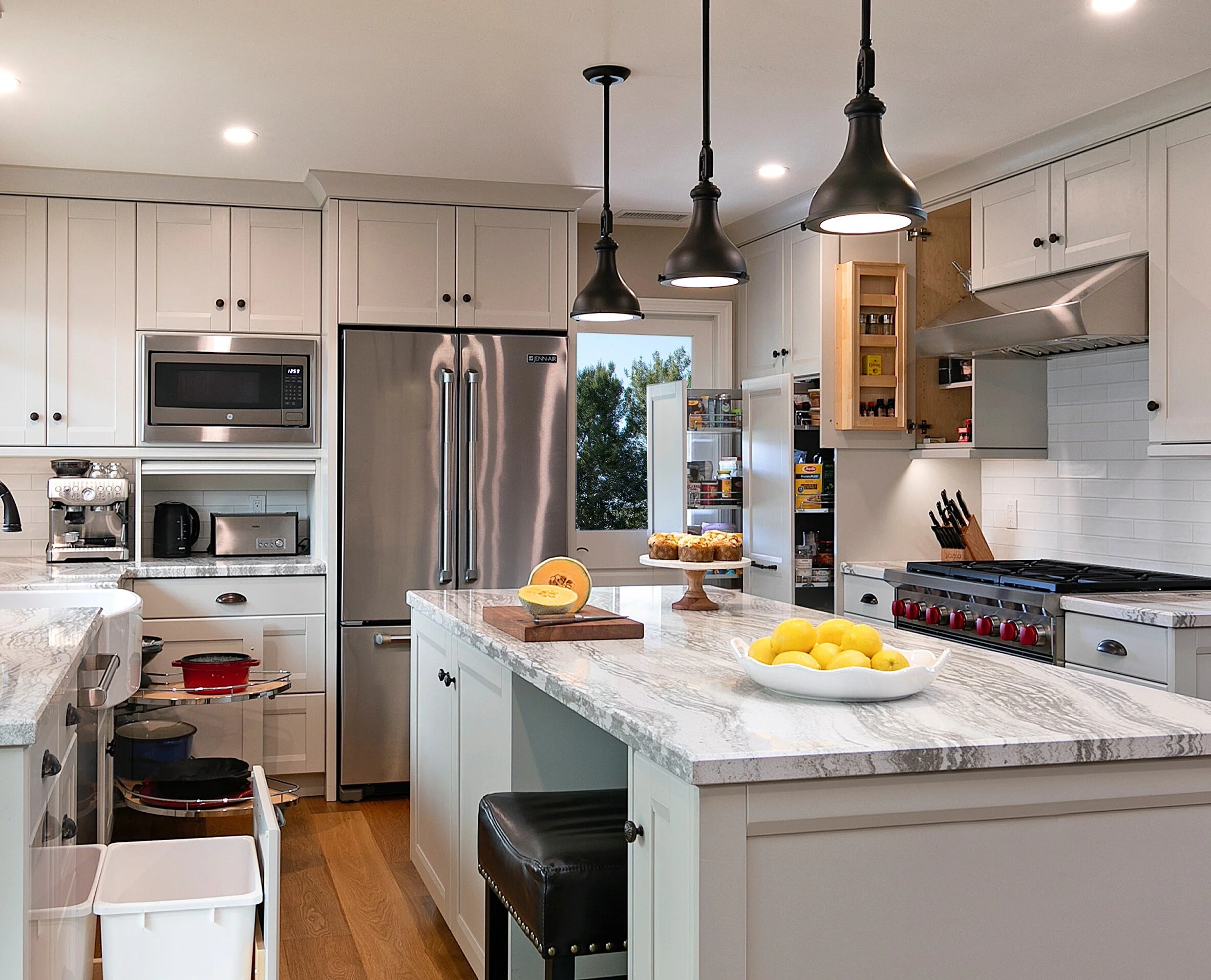
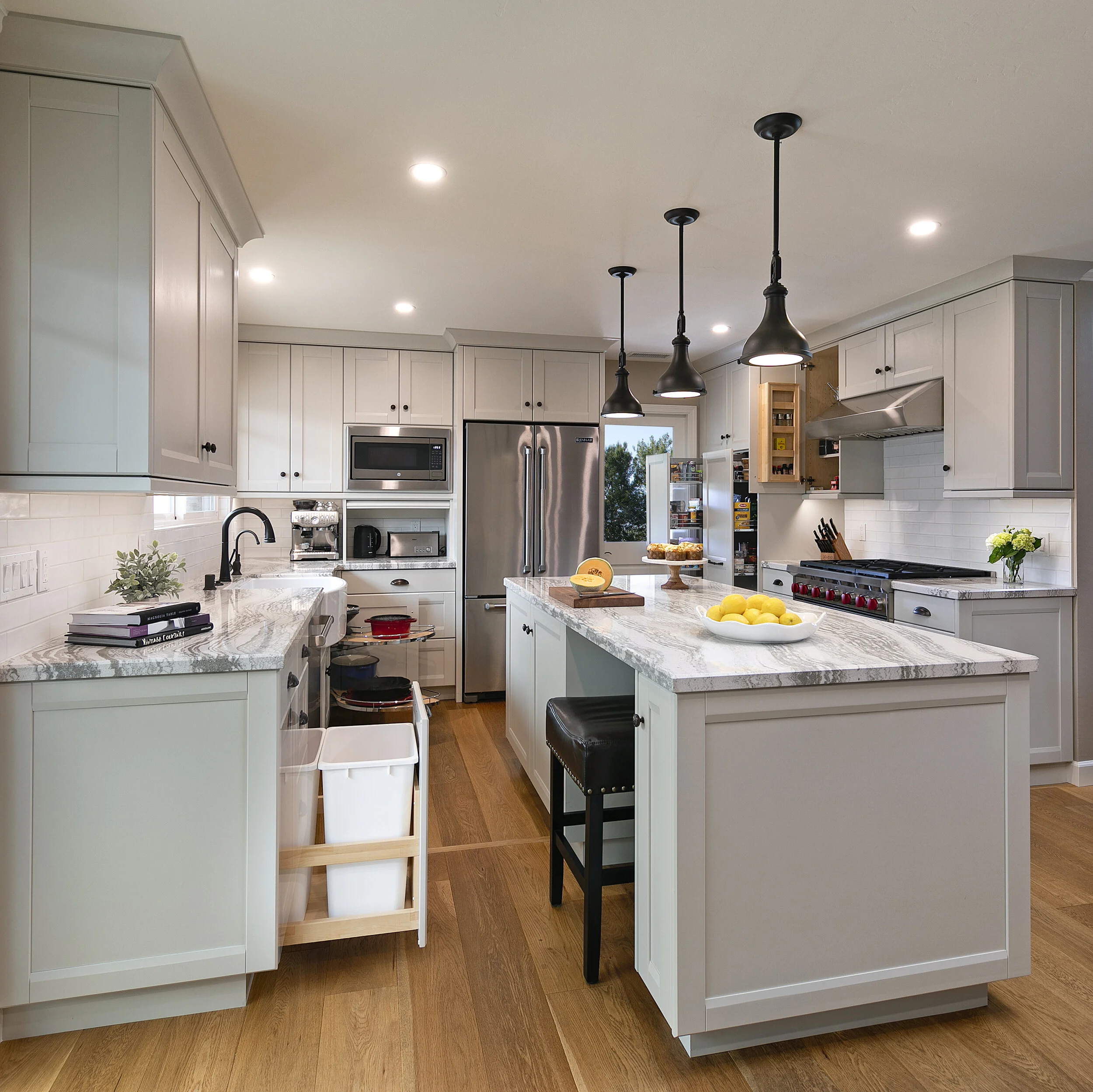
Efficient cabinetry storage endures, while personalized interiors trend. A well-designed kitchen starts with great workflow and efficient storage, before any of the beautiful materials get added. With custom and semi-custom cabinetry, we can make the best use of every inch of space, whether the space is existing or expanding into an adject room. Some of the most popular interior features for efficient cabinetry storage are trash pull-outs, spice racks, pantry drawers, blind corner swing-outs and lazy-susans.

Valentich Cabinet Pullout Features.jpg
Valentich Kitchen.jpg

A few of these items go into every kitchen I design as a standard, but to optimize a personalized design, there are literally thousands of additional interior options that can be accommodated. For example, a homeowners who bakes may want multiple baking tray options and a stand-mixer pull out that stays plugged in for ease of use - those things are heavy! Another homeowner may like to cook with a spouse and request a couple of butcher block rollouts over two separate trash pull-outs so they have their own workspace without bumping elbows. A homeowner that values wine and coffee might want a builtin bar zone away from the main prep/cooking area, plenty of glassware storage, an undercabinet wine cooler, and an appliance garage that keeps the coffee maker plugged in and easy to use, but out of sight when not in use.

Studies show, and any of my clients who have had a recent kitchen remodel will tell you, that you can get almost double the amount of storage space when you install new, efficient cabinetry with specially selected interior storage features.

You can learn more about Corinne von Guenthner of CvG Designs on her website at CvGDesigns.com

Download a pdf of this article here.

REBUILDING TOGETHER

This month marks the second anniversary of the Montecito Mudflow that affected so many families in our community. Today, we are happy to report that many of the families we are working with have moved back into their new homes. It’s been a long process dealing with insurance companies and the new regulations pertaining to the rebuilding process, but we believe it has brought our community closer together. In addition to rebuilding homes, we have also been fortunate to build some great relationships with our clients and neighbors along the way. We wanted to share some of their stories and experiences.

Click here to read the full story

MEET THE TEAM - JUSTIN KLOSINSKI

Meet the newest member of our pre-construction team, Justin Klosinski.

What do you do at Allen Construction?

I actually started with Allen in 2001 as a laborer, digging trenches and carrying 2x4’s. I learned how to build houses from “dirt to doorknobs” including pouring concrete, framing, installing doors and windows, and even setting cabinetry. As I moved through the ranks, I worked in our Care & Repair division, learning invaluable lessons on how to run a project and interact with trade contractors and homeowners. I also received special training in building performance, solar, and overall sustainability, thanks to the motivation in our employee-owned company. Now, as a Pre-Construction Project Manager, I use my experience as a builder and estimator to help our clients navigate the bidding process and get them the best value for their project.

jklosinki.jpg

Where do you live?

Originally an Air Force brat, I grew up in Lompoc and moved to Santa Barbara in 2012, after commuting for 11 years. Currently, I live in a small studio apartment in Montecito with my dog, Jalapeno, but we don’t spend much time there, as we are always out and about.

 A typical day in the life looks like…

Our typical day is to avoid having typical days! We like it spontaneous, but it almost always starts with coffee and has a dog walk in there somewhere.

 What’s your proudest achievement?

I am lucky to have a handful of really cool career highs like building in Hawaii and helping achieve PassivHaus. Fairly recently I was able to help organize two self-funded natural building workshops for Mexico earthquake relief and community building in Ixtepec and Telixtlahuaca, Oaxaca, Mexico.

 We wouldn’t know it to look at you, but…

Being only 40, most people are surprised to find out that I have a grown 22-year-old son.

 What advice would you give someone starting out in the construction industry?  Pay attention and keep an open mind. Try to understand why things are done the way they are and understand there is usually more than one solution to a problem.


TRENDS IN LANDSCAPING

Landscape Trends

From Ben, Nate and the Crew at Allscape Design + Installation

Read the full article with pictures here

Landscaping is a passion of ours and we look forward to each project whether unique, contemporary, traditional or nontraditional. Landscape trends emerge in the industry continuously; typically created by environmental shifts, the housing market, personal trends and fads, and other causes. It is up to the construction and landscaping companies to keep up with these trends to better serve our customers and be ahead of the curve.

Trend #1: Expanding Hardscapes

Expanding Hardscapes can fall into multiple categories but most recognizable is enhancing patios and decking, sitting areas and creating space for recreational use. By expanding these areas, you are adding value to your landscape while reducing water volume and maintenance upkeep. It also helps homeowners create a space in their yard, whether front or back, to enjoy the outdoors. If designed right, adding an extension from your house with an outdoor living space, will inspire homeowners to venture out from the confines of their home.

Trends #2: Synthetic Lawns

Synthetic lawns have been on the rise within the landscape industry due to water savings and water restrictions through drought periods. The products have improved exponentially and created a substitute for lawns that require high water yields, high maintenance, and fertilization, which tends to decline over long periods. Fabrics are becoming more pet-friendly and heat-resistant while creating a natural lawn appearance.

Trends #3: Edible Garden Areas

This landscape trend is the fastest growing trend we have noticed. Fruit trees and veggie garden boxes are becoming a requested landscape feature we are including in designs and implementing in installations. Many homeowners want the ability to grow natural, organic products on your own grounds to support a healthier way of life. Pesticide education is striking our industry and people are acknowledging the health concerns surrounding crop pesticides. What better way to weed this out of your diet than to grow it yourself, and have full control of organics plus your own selections of herbs, fruits and veggies. Efficient irrigation systems are assisting with this farm-to-table trend making it easy to irrigate using minimal water. This leads us to trend #4.

Trend #4: Efficient Irrigation Systems

Efficient irrigation systems can be as easy as swapping out standard spray nozzles to efficient nozzles such as MP Rotators, Toro Precisions or Rainbird Rotary nozzles. These types of nozzles reduce water outputs per minute by providing larger droplet sizes and minimizing mist, which is most commonly seized from evapotranspiration. Another irrigation trend is subterranean drip systems. These systems allow for dripline to be buried beneath the soil surface and release water at a set spacing to hydrate plants’ root zones only. No overspray. Netafim is a main manufacturer in the drip and sub drip industry. Smart controllers have been on the rise in the landscape industry at a homeowner level. More homeowners are involved in their water usage and like the control through the “easy to use” apps from their phone. With water costs only going up, homeowners are becoming more and more aware. Rainbird, Hunter and other products such as Rachio all have created this technology to assist with water management.

Trend #5: Outdoor Entities

Creating an outdoor space overlaps with trend #1 expanding hardscapes. There are so many ways to build a landscape that is not all softscape material. Fire pits, bocce courts, outdoor kitchens, arbors, trellises, and low voltage lighting are all items that fall under outdoor entities. Incorporating a living space with activity and a night presence really enhances a property and adds to the usability of your landscape.

Outdoor fire pits have been in the highest demand. They are easy to build, when natural gas is provided, easy to use, and people love the heat effect and night presence. Bocce courts are on the rise for families and homeowners that love to host. They can duplicate the feeling of being at a winery-type setting, and when incorporated with night lighting, becomes a special spot in the yard. Lastly, outdoor kitchens and arbors have been growing in popularity providing outdoor living spaces that allow you to experience the open-air while being a few steps from your own back door.

TRENDS IN TILE FROM BUENA TILE

WHAT ARE THE LATEST TRENDS IN TILE? WE ASKED THE EXPERTS AT BUENA TILE AND HERE’S WHAT THEY HAD TO SAY.

View the full article with photos here

General Trends

Natural, artisan products that have always been in fashion with elite designers are making their way down to the masses through Instagram and Houzz. Boutique hotels and luxury villas, with their natural stones, patterned cement tiles, zellige, water jet mosaics, bespoke terra cotta and arabesque shaped ceramics are now finding their way into mainstream design through social media and eventually knock-off ceramic and porcelain versions – sometimes even for the better.

Due to the prevalence of social media, hospitality projects are influencing residential design faster and faster. In the past, you had to visit a property to be influenced. Then magazines like Sunset, Architectural Digest, and Dwell came along to expand the market for design. Now, design is 24/7. Consumers have access to instant design from all over the world. Our customers come to us with images of hotels from every corner of the globe asking us if we can achieve a similar look. We learn a lot from our customers.

Encaustic Cement Tile

This 250-year-old process of patterning cement has been a mainstay outside of America since the French started colonizing. Now that Americans have discovered it again, inexpensive ceramic versions are everywhere.  This, like all trends, won’t last and eventually the imitators will move on to the next thing and classic, real encaustics will still look amazing. These floors can last 100 years or more.

Zellige Tile

An ancient process of glazing and patterning intricate cotto tiles in Morocco is now revered as a must-have luxury tile on the southern coast of California.  The possibilities for patterning are endless in traditional colors or one can use the modern monochromatic patterning strategy to achieve single-color patterns that are subtle and timeless.

Water Jet Stone Mosaics

Computer-driven mosaic manufacturing has now made bespoke patterning with single or multiple stones possible.  This technology allows for minute and precise cutting in radius application to bring a heightened sense of drama to an otherwise quiet or plain composition.

Slab Porcelain

Groutless showers have been the dream of many homeowners since tiled bathrooms were accepted.  Slab porcelain can achieve that reality through single piece installations on shower walls and also remove the majority of grout on commercial floors and facades. Design possibilities will be endless.  In 10-years or less, this will be a standard shower.

Indoor-Outdoor

Our coastal weather enables year-round outdoor living and the trend that developed out of that ability is product that can be used indoors and out. Residentially, stone, concrete and porcelain are bridging the dual environments and commercially, porcelain pavers on building rooftops and event decks are providing building owners with greater opportunities for amenities. If you want your house to play larger than it is, open the back up and add square footage to your lifestyle.

Large Format Floors

32”x72” is fast becoming a standard tile size for us. Not only villas with ample indoor-outdoor opportunities, but hotels with more modest spaces are choosing this format for both its aesthetic and its functionality.  If you want to make a small space look larger, use a big tile.

Instagram + Houzz Images

It is a new world working with clients today! They arrive with either no information and you need to educate them, or they arrive with a drop box full of images of what they are hoping to achieve.  We routinely review how to use each with a residential client to achieve an outcome as close to their dream as their budget and space will allow. This trend is only going to get more pervasive as these tools become ubiquitous with millennial buyers.

Arabesque Patterns

Whether it is geometric or Moorish, patterns spanning the north of Africa have made their way into our design language.  Ancient and timeless, with limitless possibilities for customization, beautiful materials in these patterns are a classic component of California design today.

Buena Tile

1717 Palma Drive   Ventura, CA 93003   P: 805.650.1252   F: 805.650.1779

Q&A WITH THIEP CUNG OF THE WARNER GROUP ARCHITECTS

thieps profile picture 08 02 2019.jpg

We caught up with Thiep Cung of The Warner Group Architects for a little Q & A.

How did you find your way into residential architecture?

I studied in Florence, Italy and fell in love with the Tuscan architecture – the landscape, scale of the buildings, and everything about the surroundings. After finishing my studies, I moved to Montecito, finding it to have many of the same qualities that I originally cherished in Florence. I like to be fully involved in the design process, from initial sketch to finished product, and working on residential architecture affords me clients who also appreciate that care.

What’s the best thing about your job?

The most successful projects are the ones where we can incorporate the interior design and landscape designs into the architecture to create the whole package. I have a passion for improving the quality of the space, tailoring each project to our clients, maximizing the amount of light, and creating a marriage between the interior and exterior spaces.

Tell us a little bit about your work at The Warner Group.

I’m celebrating 25 years at The Warner Group Architects where we have done everything from a 50,000 square-foot projects to a small guesthouse. We are able to work on a variety of architectural styles from traditional Spanish to contemporary. We have projects all over the world including the Middle East, Saudi Arabia, Costa Rica and throughout the U.S. We also get to work in some great coastal towns up and down the California Coast, from Carmel to San Diego.

What’s your favorite project with Allen Construction?

We recently completed a Spanish Mediterranean home remodel with Allen where we were able to take on older home that lacked adequate light and transform it into a space with positive energy, an improved flow, and an abundance of natural light. We did the interior design of the home with our in-house team spearheaded by our lead designer, Jaime Hallows, and worked with Sam Maphis Landscape for the exterior.

We really enjoyed working with the Allen Team. Together we worked through the challenges of building this home during the disaster of both the fire and mudflow in Montecito. The end result is a cohesive design that reflects the owner’s taste of classic casual living.

What projects are in the pipeline for The Warner Group?

We are working on several residences in Santa Barbara, Newport Beach, Santa Monica, Hope Ranch, and Montecito. We look forward to working with Allen Construction again on another project soon.

MEET THE TEAM - BRETT OLSON

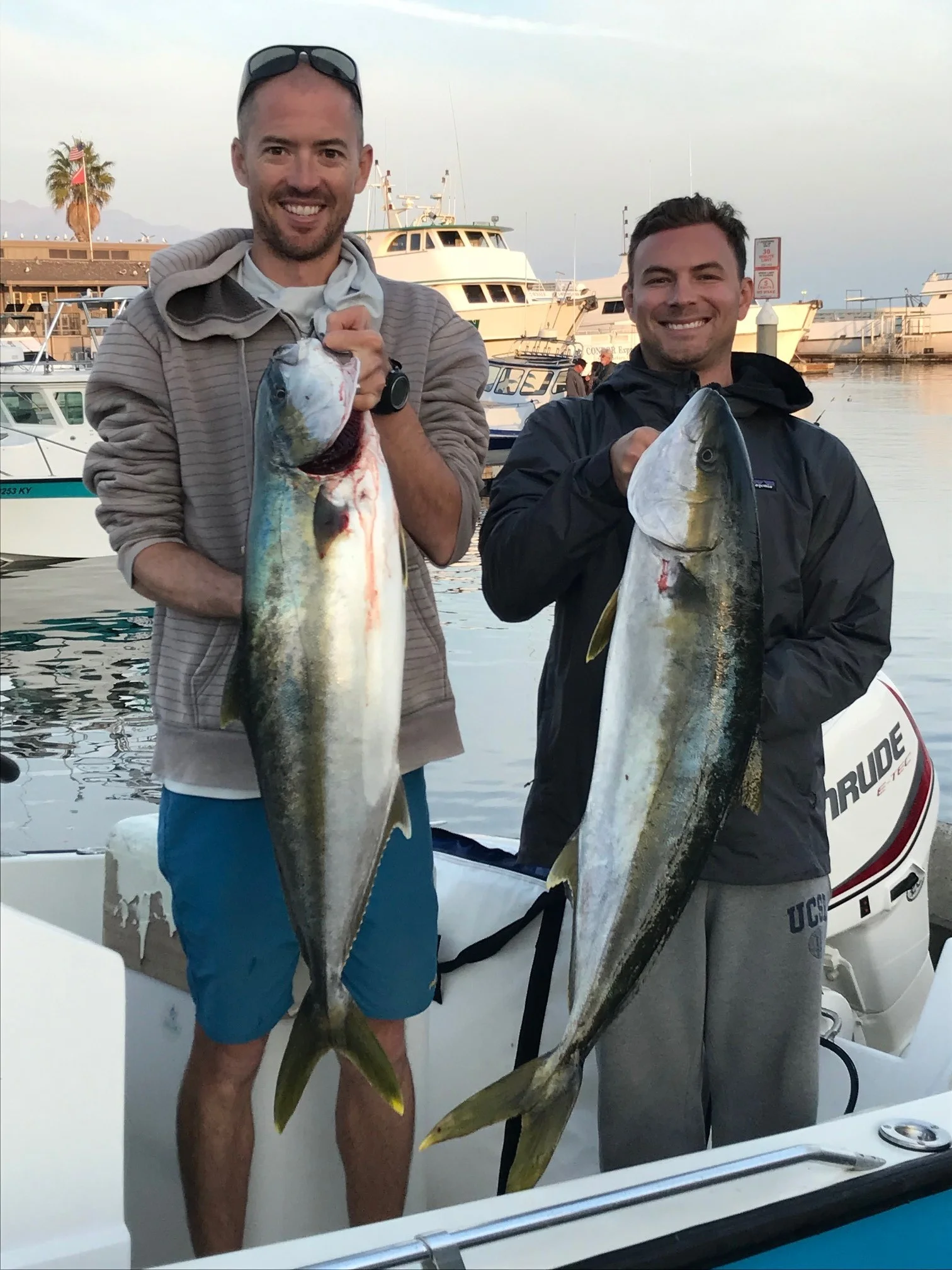
Brett Fishing.jpg

WE’RE EXCITED TO INTERVIEW BRETT OLSON
AS PART OF OUR “MEET THE TEAM” SERIES.

What do you do at Allen Construction?
I am a pre-construction project manager on the sales team in Santa Barbara. I help develop projects by giving our clients information ranging from preliminary estimates and feasibility studies to contract ready budgets and detailed scopes of work ready for production.

Where do you live?
I live on the Mesa with four other housemates: one graduate student, two other working professionals, and one lovably boisterous mutt named Remy.

A typical day in the life looks like……
I generally head straight to the office and dive into anything from client consultations, team meetings, job walks, trade calls, or building project estimates. After work I like to get some exercise and (try to) eat a healthy meal before calling it a day.

What’s your proudest achievement?
I’m pretty proud of the life I have here in Santa Barbara. I left New York in 2013, hoping I could make a home for myself out west with gentle winters, fun surf, great fishing, a career in the building industry, a network of close friends, and I can say that I’ve done that. Allen’s been with me for almost the entire way, and I’m really grateful to have been accepted by a company filled with such good people.

We wouldn’t know it to look at you, but….
Considering how much time I spend building things on paper, I actually really like getting my hands dirty and building in real life. I’m in the process of replacing a rotted second story deck at my house, and I’m looking forward to making some saw dust and figuring out all the details.

What advice would you give someone starting out in the construction industry?
I would advise someone to find the best builder in town, be it a company or individual, and see if you can find a spot on their team. Learning how to do things right the first time around, be it a construction detail, or how to interact with trades or clients, will set you up for success down the road

MEET THE TEAM - RYAN CULLINEN

What do you do at Allen Construction?

I am responsible for tracking, monitoring and driving new business at Allen. This includes recruiting and managing our pre-construction team and serving as the liaison with the production team. I also play a role as a project developer for new and returning Allen clients.

Ryan+Cullinen+-+meet+the+team.jpg

Where do you live?

I live on the Westside of Santa Barbara with my wife,  Andrea, six year old son, Wiley and dog, Batman. We love the neighborhood community and the ability to walk to everything we need.

A typical day in the life looks like……

In the morning before heading to the office I map out my day, answer emails and make phone calls to check in on active construction projects. I walk my son to school and then drive to work. My days are typically interspersed with Allen team and one on one meetings, client meetings and focused time developing client projects and sales metrics. I occasionally will squeeze in a little exercise before dinner with the family and then work on getting my son ready for bed. A good evening is relaxing with my wife watching a show or reading.

Your proudest achievement

The birth of my son is pretty hard to beat (but the achievement goes to my wife there.) Designing and building my own home in Northern California is the other one. This was done over three years on nights and weekends in my twenties and taught me a great deal about how to build efficiently (and how not to.)

We wouldn’t know it to look at you, but….

I played the bassoon in high school, I have backpacked the John Muir Trail, and I lost two teeth in a soccer match…..recently.

What advice would you give someone starting out in the construction industry?

Find a mentor who cares about your success, don’t be afraid to ask questions, accept your failures and learn from them, and soak up everything as if you were expected to teach it the next day.  Thick skin helps in this industry but success will come to those who are dependable, eager to learn and always smiling.

THE INDUCTION COOKTOP

The Induction Cooktop By Romain Doussineau of Reed Interiors

The induction cooktop is the newest, and most revolutionary appliance. Allow us to tell you more about this powerful cooktop, adapted to everyday life.

The result of technological innovation, the induction cooktop has quickly become the most popular cooking system in Europe and more recently in the US.  Its main assets? A sleek minimalist look, remarkable power, controlled consumption and, above all, safe and secure cooking.

INDUCTION COOKTOP: AN INNOVATIVE COOKING SYSTEM

The main feature of the induction cooktop is its operation. The induction cooktop does not use a conventional heat source, but works thanks to a copper coil placed under each of its plates. This coil produces a magnetic field and its waves exclusively heat the container. The induction cooktop is also equipped with many additional safety features. Its ignition and shutdown are instantaneous. It has a pot detection system which allows automatic shutdown as soon as a container is removed. This mode of operation and its integrated safety systems, greatly limiting the risk of burns or accidents in the kitchen, are one of the major innovations of the induction cooktop.

THE ADVANTAGES OF THE INDUCTION COOKTOP

The induction cooktop is distinguished by its performance. It is currently the most accurate and efficient cooking system on the market. Equipped with a booster function, it is able to heat large volumes of water with extreme speed or, conversely, to provide an extremely low temperature for simmering. The induction cooktop offers great cooking flexibility, suitable for all types of kitchens. Its rapid heating saves a lot of time and energy: staying on for less time than electric or ceramic cooktops, it consumes 30% to 60% less than conventional gas and electric stovetops. Less cumbersome than a gas cooktop, it fits all kitchen sizes, even the smallest.    An induction cooktop tends to be less expensive than a powerful gas range top with a higher efficiency.  With an induction cooktop, 90% of the energy generated actually heats the pan. There is almost no heat loss. While with a gas cooktop, only a maximum of 60% of the energy generated heats the pan. Thanks to an induction cooktop, your energy consumption will be much lower than with a gas stove.

EASY MAINTENANCE FOR THE INDUCTION COOKTOP

The induction cooktop is simple to maintain. Since it only heats the pan, any splashes and spills do not get stuck on the plate. With anti-overflow protection, the plate automatically cuts off if liquid overflows. The induction plate has the double advantage of limiting messiness and allowing for easy cleaning with a damp sponge.  The induction cooktop requires the usage of suitable cookware made of cast iron or steel, unless you opt for saucepans with a ferromagnetic disk.  To test if your pots are compatible with this cooking system, simply apply a magnet under the pan and if it remains stuck, it is possible to use the pan.

WITH AN INDUCTION COOKTOP, YOU EAT HEALTHIER

An induction cooktop heats up quicker than gas, resulting in shorter cooking times. The faster the cooking time, the more your food retains its nutritive values. Unlike a gas stove, there is no soot leftover to pollute your kitchen and your hood. Soot ejected by a gas stove can impact a person’s lungs.  The induction cooktop is ideal for those who demand economical, accurate, fast, and perfect cooking quality.


MEET THE TEAM – IAN CRONSHAW

Ian.jpg

We’re excited to interview Ian Cronshaw as he’s celebrating his 36th year with Allen Construction.

What do you do at Allen Construction? 

My career in construction started in April, 1981…38 years ago. I worked as a laborer, apprentice tile setter, framer and concrete worker. When I started working at Allen Construction there was Dennis Allen, his wife Jenny, and four others in the company. Fortunately, this small group had years of construction experience and I was able to learn from them. Fifteen years later, I became a project foreman/supervisor. The last 23 years I have been in sales, which I love. I help our sales team find work for the company.

Where do you live?

I was born and grew up in Santa Barbara. My wife, Anna, and I live in the foothills behind Summerland with our two dogs, Ozzy and Kiwi. We have two grown sons, Brendan and Tristan, who live in San Francisco and the South Pacific respectively. I designed and built our house in 1983 with the help of Allen Construction employees.

A typical day in the life looks like……

I fell in love with surfing when I was a young boy. At 5 a.m., I go to Miramar, Hammonds Reef or Hollister Ranch. If there is surf, I paddle out in the dark and enjoy the early morning. Often it is usually just me, the pelicans, seals and resident sea otters. I watch the sunrise and catch a few waves. It is very therapeutic. We are lucky to have the Pacific Ocean in our backyard.

On the drive to work, I make a list of all that I need to accomplish for the day. I make and receive lots of phone calls; sometimes I have as many as 100 emails to read and answer. I check in with our Sales Team, check in on our clients, then head out to some of our projects to see how things are going. All day long, I cross off the things on my list. A successful day is when my morning list is all crossed off and, a really good day is hearing about a new potential job, picking up a permit, or signing a new project.

At the end of the day, Anna and I like to watch the sunset from our house, talk about our day, and then cook a healthy meal. After dinner, I take a long walk down our lane in the dark and think about life. Life is an amazing journey. I try to keep my eyes open so as not to miss anything.

Your proudest achievement

My greatest professional achievement is being part of the Allen team and seeing us successfully grow over the last 36 years. We have been the leaders in sustainable building, innovative in our approach to building techniques, and started new ventures like Building Care and Repair. We’ve also been able to help others such as building and donating a house in Mississippi after Hurricane Katrina, building and donating a home on Coyote Road after the Tea Fire, and helping with Montecito Mudslide and Ventura Thomas Fire rebuilds. I love remembering all the amazing projects and their owners, the experiences we have had, and the help we have given others. Maybe I will write a book.

What’s your passion?

I love traveling, surfing and building in beautiful “out of the way” places. Over the years, I have had the good fortune to buy land and build in some fascinating locations…Kauai, New Zealand, Fiji, Tahiti, Bali Indonesia, and Hollister Ranch.

Building on Kauai was really a challenge. Hurricane Iniki (160 mph winds and a 24 ft high ocean surge) almost destroyed our first house. In New Zealand, Anna and I built a house in the winter. Even though the house was in the winterless Far North, it was really challenging. Cold and wet. Framing in a raincoat and gum boots made me appreciate Santa Barbara’s climate. But, the summers are awesome in New Zealand

In Bali, I hired an eight-man Javanese crew to build. They built a shack on the land and lived in it. Every four weeks, they took a bus back across Bali to Java to be with their families for a week.

Huahine, Tahiti is my next build and it’s going to be quite a challenge. This month (April 2019), after 22 years, we will start building this house. I have never built a house where my only transportation is a bicycle. I will ride my bike to the job site with a skill saw, sawzall, drills, and tool belt. All the lumber, windows and doors arrived on the interisland freighter a week before I was scheduled to arrive.

Next on my list will be the house in Fiji. It will be a small, but traditional, Fijian style house. I love Fiji and the Fijian people.

I built my home in Hollister Ranch on the weekends for a year and a half. It is an adobe house made from recycled materials from Allen Construction projects. It is 100% solar, on well water, and very remote.

What advice would you give someone starting out in the construction industry?

As I look back at all my experiences in construction, I cannot think of another more rewarding career. The construction industry is so interesting, challenging, fulfilling, and exciting. Shelter, like food and water, is a basic human need. We provide this for people. Being part of a team that not only provides a shelter, but a beautiful, healthy home enhancing one’s lifestyle, is so satisfying.

THE RETURN OF PEDAL POWER

Over the past three decades, the mobility pattern in Southeast Asia has undergone major transformation: from bicycles to motor scooters and now back to bicycles. According to Beijing’s transportation commission, pedal power accounted for 63 percent of trips in the 1980s. This figure dropped to less than 18 percent by 2014. Surprisingly, however, bicycle usage is making a resurgence in the form of bike sharing accessed through smartphone apps. Today in Beijing, population 11 million, there are 2.4 million shareable bikes, with half the population being registered users. That’s more than 40 times as many registered users as in New York City’s large Citi Bike program.

Bike sharing is a fast-growing global phenomenon, pushed in part by Chinese enthusiasm. The key has been joining technology together with a young, highly educated entrepreneurial class. The boom in China arose primarily from the problem of university students repeatedly having their bicycles stolen. Four years ago, some of those students started thinking that maybe you don’t need to own a bike. Now they are some of the most successful Chinese entrepreneurs.

In China, unlike in France, where bike sharing got its start, there are no set docking stations scattered around a city. Just leave the bike when you get to your destination and lock it (by iPhone, of course). Because of GPS tracking software, this parked bike then appears on the phone app of other nearby subscribers looking for a bike.

The biggest bike-sharing companies in China, which have rapidly mushroomed into billion-dollar businesses, are spreading to hundreds of cities around the world, including more than a dozen U.S. cities. A big attraction of bike sharing has been the solving of the “last-mile” problem: helping people get between public transit centers and home.

China’s government has been encouraging the development of the shared economy, using a combination of incentives and minimal regulation. In the bike-sharing arena, this has made possible explosive growth but has also created problems, the biggest being the many broken-down, discarded, and vandalized bikes. Repair efforts have not kept up with the growing heaps of trashed or broken-down shareable bikes. One of the large Chinese companies has developed a bike with a drive shaft rather than chain propulsion, airless rubber tires that can’t be punctured, and a solar-powered, GPS smart lock — all innovations to minimize the need for repairs and to reduce thievery.

The growth of bike sharing in Europe and America has taken place in a more regulated environment and thus has been slower and more controlled. Because of convenience, health benefits, and improving infrastructure, biking and bike sharing will continue to expand. The public benefits — reduced carbon emissions, less pollution, less urban land dedicated to asphalt, and stronger community connectivity — are further spurs to the growth of pedal power.

WHAT MAKES A HOME GREEN?

Multi-year drought, distressed forests, and intense wildfires bring awareness of the local impacts of climate change. Efforts to address climate change have long focused on cutting greenhouse-gas (GHG) emissions and more recently on sequestering carbon. But because the impacts of climate change are now upon us, we need to add to our efforts resilience planning. What is the focus of these efforts related to our buildings?

In reviewing many “green building” programs, the most common characteristics are energy efficiency, water conservation, and selecting materials that are sustainable and used in a resource-efficient way.

Because energy use is strongly linked to GHG emissions, reducing energy consumption in homes tends to decrease damage caused by burning fossil fuels. There are many ways to reduce energy use in homes: install more efficient appliances, select higher-performance windows, and/or add thicker insulation.

Water conservation makes sense in most regions of the country, excluding only those where fresh water is abundant. In California, water is directly linked to energy, for close to 20 percent of our energy use statewide is consumed in transporting and treating water. Residential water conservation emphasizes careful selection of plumbing fixtures and appliances but also promotes rainwater collection.

Choosing materials for a green home involves selecting materials that are naturally renewable (for example, wood from sustainably harvested forests), have recycled content, or are harvested/manufactured regionally. These materials also need to be incorporated into structures as efficiently as possible.

  • Other green building criteria worth considering are the following:

  • Designing and building homes that last longer. Although rarely thought about, designing to make future changes easier helps save materials. Selecting materials that require less cleaning and less maintenance is also an aspect of durability.

  • A green home is small. Scaling down is unpopular with Americans, but it greatly reduces impact.

  • A green home provides superior indoor air quality and promotes human health. Avoiding materials and furnishings that involve toxins and outgassing is key. Good natural and mechanical ventilating is also important.

  • Because transportation involves our biggest consumption of fossil fuel, selecting a location that is close to work, shopping, schools, and public transportation could be the most impactful of all criteria, but is rarely addressed.

  • Resilience focuses on livable conditions in buildings after a disaster, on backup power, and on access to potable water. These strategies are being woven into “green building” programs but expanded to community scale. Photovoltaics with on-site storage can provide basic services and information during power outages. We know how to build tight buildings out of noncombustible materials to resist wildfires. Mechanical ventilation with HEPA (high-efficiency particulate air) filters can handle smoke and ash from wildfires. Rainwater collection, composting toilets, and recycled water are other resilience strategies.