
Energy & Water Efficiencies

Smart Windows Can Boost Energy Performance

Innovations in glazing technology have transformed window performance over the past three decades. Transparent glass panes can now darken in bright sunshine by means of thermochromic or photochromic films or coatings. When the temperature of the glass increases from the sun’s infrared rays, the transparency decreases, and the glass becomes clouded or frosted. With photochromic treatments, the glass occludes because of increased light intensity.

Window self-darkening coatings were adopted from eyeglass lenses that changed their tint in sunlight. These perpetually reversible rearrangements of molecules that respond to solar radiation yield big energy savings in a building’s air-conditioning demands, sometimes by as much as 25 percent. Air-conditioning accounts for about 6 percent of all electricity generated in the US, with its accompanying negative climate and health impacts.

Another similar window technology called electrochromic uses a small electric current to polarize coating crystals to create clear or frosted states. This type of glazing is sometimes called intelligent glass or switchable smart glass. It is often chosen for privacy requirements as well as for heating and glare protection.

The latest window research holds the promise of reducing a building’s cooling demand while also generating electricity. By placing a film of perovskites, a relatively new solar cell material, between two layers of glass, electricity is generated. These highly effective and inexpensive crystals are injected with a solvent vapor into the gap between the panes of glass. As temperatures rise, the vapor triggers a chemical reaction that rearranges the crystals into different shapes, increasingly opaque, while simultaneously generating electricity. This progressive blocking and subsequent tinting happen at temperatures ranging from 95 -115 degrees Fahrenheit and take only seven seconds to occur. Researchers predict a prototype window using this technology to be developed within a year.

Technological ideas to address climate change abound. Many are already making their way into the marketplace. Technological inventiveness can help us reduce carbon emissions, but to fundamentally reverse our destructive climate patterns, we need a different framework:

·         where resources are used carefully and in cyclical processes, following nature’s example,

·         where human growth takes precedence over consumerism and economic growth,

·         where equity and inclusivity are high priorities, and

·         where environmental restoration becomes an employment and societal benefit.

These and other similar tenets will restore the health of our earth and nurture its biodiversity.

Electric Homes Run Off Sunshine

Harnessing the sun for our electricity, hot water and space heating is practical and cost effective whether remodeling or building from the ground up. After maximizing use of the sun, consider going all electric, since some or all of your electricity can be site-generated. When pursuing this strategy, it is most cost effective to reduce electrical loads (LEDs, Energy Star appliances, etc.), as fewer photovoltaic panels will be needed.

Heat pumps fit nicely into this strategy. They can heat or cool a home, provide domestic hot water, refrigerate your food and even dry your clothes. Heat pumps use electricity to move heat from one place to another instead of generating heat directly. Their high efficiency results from their capacity to transfer more energy (heat) than the energy they require to operate. They are rated by COP (coefficient of performance), the ratio of useful heating or cooling provided compared to the work required. Although they have been around for many years, recent improvements greatly increase their efficiency, achieving COPs in the 2-3 range (compared to 0.8 for efficient gas furnaces or water heaters). Variable-speed motors and scroll compressors in lieu of piston compressors are key recent advances that lower energy consumption, minimize noise and reduce maintenance. Heat pumps work best in moderate climates.

For the non-scientist, heat pumps conjure up notions of alchemy: extracting heat from already cold outside air and transferring it inside to heat the home, or when it’s hot outside, reversing direction to act like an air conditioner, removing heat from the home.

Heat pump appliances such as refrigerators, dryers or water heaters have condensers built in, while space conditioning heat pumps have two main components—an outdoor condenser and an indoor air-handling unit. In recent years, mini-split or ductless units have become popular, because of their small size and zone heating/cooling capabilities. Many models can have as many as four indoor air-handling units connected to one outdoor compressor. Each zone has its own thermostat for optimum control. It is critical that each unit be properly sized for its space to run at maximum efficiency.

Mini-splits are quick and easy to install and offer great design flexibility. They are especially practical for additions and remodels. Ductless systems offer multi-stage filtration that can drastically reduce dust, bacteria, pollen, allergens and other particulates in the air.

Heat pump equipment costs the same or slightly more than comparable natural gas equipment, but if run off sun-generated electricity, the savings add up rapidly. Even if run off utility-generated electricity, the super efficiency, along with the 30 percent federal tax credit, makes it the more economical choice. I am convinced that the all-electric home run off the sun is the future.

Solar Water Heating Needs to Be Part of the Climate Solution

A big gap in California’s efforts to address climate change is in water heating. In the 1930s, California was a leader in domestic solar hot water systems; but as the availability of fossil fuels increased, together with support from state and federal policies, the solar thermal industry was overwhelmed. In 1973 OPEC’s oil embargo made energy independence a matter of national security worldwide. For some areas without fossil fuel resources, like Europe and Israel, the threat was existential.

The embargo led many countries to incentivize solar water heating. In 1978, President Carter created a 25 percent federal tax credit for such systems, and California created an additional 15 percent tax credit on top of the federal one. By 1990, a million solar thermal systems had been installed in America. Sales were $1 billion annually in 1982 but fell to $30 million by 2000. Why this collapse? Abundant and cheap fossil fuels returned, President Reagan ended the federal incentives, and the industry’s reputation of failure ended public confidence and enthusiasm.

Policy inconsistencies created a boom-bust cycle, but even more damaging and difficult to surmount were the many shoddy installations that led to leaks and extensive damage. Many of the cheaper systems froze during the unprecedented 1990 freeze in California, again causing expensive repairs. These failures brought training requirement for installers and state approval for only those systems with freeze protection. The industry has never rebounded, even though technical and installation issues have been fully solved. Hawaii is the exception among US states. Its 25-year program of incentives and post- installation inspections has made solar thermal ubiquitous in the islands.

Water heating accounts for 25 percent of residential energy use. Solar heaters can easily provide 70 percent of a household’s hot water. Since the 70s, consistent policies have led to 85 percent of Israel’s homes and apartments getting solar water systems, contrasted to 1 percent in the US. For the California consumer, “going solar” means just one thing: solar photovoltaics to generate electricity. Strong government support has yielded big reductions to the cost of PVs, and now in 2020, California has mandated solar PVs on new residences. We need similar policies to promote solar thermal. The lack of demand has kept prices high, $7,000 on average, compared to $700 for a solar thermal system in Israel.

China has been incentivizing solar water heating for the past 3 decades and now leads the world with 80 percent of all systems worldwide. It is required on most new construction, just as it is in Israel. In these countries, as in Europe and elsewhere, solar water heating is cost competitive with gas and electric water heating. China now has a robust solar thermal export industry. California and the US need to use policy and ingenuity to reclaim leadership in low carbon water heating. We have done well with photovoltaics, but other options need to be part of the climate solution as well.

Electrify, Electrify, Electrify

Each Time We Replace an Appliance Is an Opportunity to Reduce Warming Emissions 

Until recently, most of us have not had choices about the power we consume: the gas for our cars or the fuel used to produce our electricity. Most supply-side choices are made by giant corporations. Fortunately, the game is shifting, at least in California and a few other states, where community choice energy programs with more clean energy, often 100 percent, are increasingly available. Santa Barbara, City and County, now have community choice programs. This is changing the supply side of the equation.

On the demand side, however, we have always had more influence: We decide what we drive, how we heat our water, what heats our house, what cooks our food, and what dries our laundry. For the past 50 years, the climate focus related to the machines and appliances we routinely buy has been on efficiency — mandated vehicle fuel standards, tighter houses through more rigorous energy codes, and Energy Star appliance performance ratings. Efficiency policies are not going to get us to zero emissions, however, certainly not fast enough to address the urgency of the climate crisis. Electrifying everything can, however, go a long way toward solving the problem — and rapidly. How fast? As fast as appliances need replacing: cars roughly every 10-20 years, home furnaces about every 20 years, and kitchen and laundry appliances every 10-15 years. 

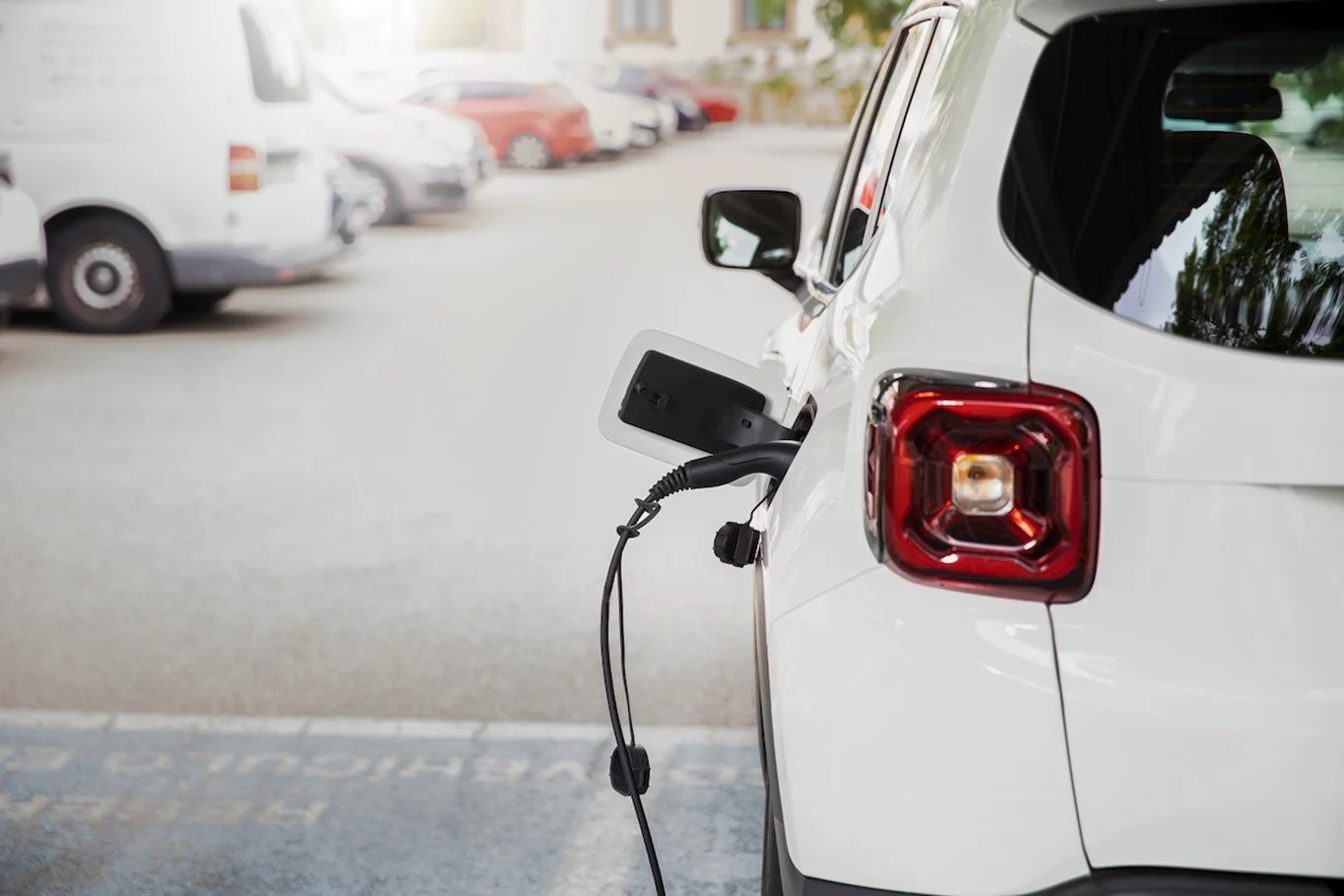
Thankfully, we now have good choices for these replacement purchases, and they are getting better every year. Electric cars currently have good range, are close to cost parity with combustion cars, and save money every mile we drive. Air-source heat pumps for heating, cooling, and hot water now perform four or more times better than traditional appliances. The modern induction cooking experience is better than cooking with gas and is twice as efficient.

Dispersed rooftop solar can be the cheapest energy source, but we make it cost more than it needs to by cumbersome, lengthy permitting and inspection requirements. Whereas the installed cost is around $1 per watt in Australia, it ends up near $3 per watt in the U.S. When the U.S. is fully electrified, 20-30 percent of electricity can be generated locally on rooftops, and the remainder will need to come from wind farms, utility-scale solar farms, geothermal wells, and hydroelectric facilities.

Thinking about addressing climate change can be overwhelming and depressing. Replacing fossil-fuel equipment with electric units will enable us to be and feel part of the solution, without sacrificing the conveniences of modern life. Moreover, the long-term economic benefits are not only in utility bill savings, but in creating jobs. Several studies link 25 million new jobs to mass electrification in the U.S. Many of these will be local.

Once we shift to clean energy, we’ll be able to enjoy all the comforts — warmth, air-conditioning, zippy cars, and hot water — but with lower costs and cleaner air.