Attacking Emissions by Removing Ocean Carbon

Simplification and Scalability Make Taking Carbon Out of Seawater Auspicious

We now realize that addressing climate change requires more than reducing our greenhouse-gas emissions to zero, a challenge that all efforts to date have been woefully inadequate in achieving. For this reason, researchers around the world are looking for effective and economical ways to sequester CO2 from the atmosphere. A number of solutions are showing promise; some are in the trial phase. A research team at UCLA’s Institute for Carbon Management is exploring a totally different approach to atmospheric drawdown.

The UCLA scientists have developed a flow reactor that takes in a continuous flow of seawater and runs it through a mesh charged at a specific electrical frequency to render the water alkaline. This kicks off a chemical reaction that combines the dissolved CO2 with naturally occurring calcium and magnesium abundant in seawater. The outcome is limestone and magnesite. This process is similar to how seashells form. The yielded minerals are durable, safe, and permanent. The seawater that flows out of the back end of the reactor is depleted of dissolved CO2 and thus ready to absorb more carbon from the skies. The only other byproduct is hydrogen, a clean fuel.

There are several key advantages to this approach. First, a given volume of seawater holds about 150 times more carbon than an equivalent volume of air. Second, it is a single-step carbon sequestration and storage (sCS2) process, unlike the multi-step atmospheric sequestering processes being explored. This simplification gives it economic and scalable benefits.

The oceans and the atmosphere work in a constant state of equilibrium. The oceans have countless plant-like organisms called phytoplankton that absorb CO2 through photosynthesis. As humans have pumped more carbon emissions into the atmosphere, the oceans have absorbed more carbon, making them more acidic and contributing to the die-off of coral reefs and threats to some shellfish.

Many approaches to sequestration are needed and soon. The economics of various approaches will be key to which becomes ascendant. Drawing down a large percentage of the 37 billion metric tons of CO2 we produce annually is daunting. The single-step simplification of the UCLA approach, its scalability, its taking inspiration from nature, and the commercialization of the solid mineral and hydrogen by-products offer a major contribution to the race to capture carbon emissions.
The 15-Minute City

Making Cities More Human, Equitable, Convenient, and Healthy


A new concept of urban planning and redevelopment is gaining popularity: the 15-minute city. All basic needs — fresh food, schools, offices, banks, gyms, health care facilities, parks, shops, and a variety of entertainment — would exist within a 15-minute walk or bike ride from your home or apartment. Paths and streets would be safe, tree-shaded, and mostly car-free. One or more public transit stops would be within this radius to connect to other neighborhoods and parts of the metropolitan region. 

C40, a network of the world’s megacities committed to addressing climate change, has adopted this planning concept as a key strategy in reducing pollution, GHG emissions, and social inequities. Portland, Madrid, Seattle, Milan, Edinburgh, and several Chinese cities are incorporating the core elements of the 15-minute city:

  • Make available essential goods and services, especially fresh food and health care

  • Include housing of different sizes and levels of affordability (convert former office buildings to housing)

  • Locate frequent and reliable public transit connections nearby

  • Invest to make walking and biking the determinant of scale, not the automobile

  • Create attractive streetscapes; pocket parks; and safe, designated bikeways

  • Promote mixed-use buildings, telecommuting, and digitalization of services. Strengthen access to technology to reduce the need for commuting

  • Prioritize government investment in underserved and lower-income neighborhoods and encourage businesses and nonprofits to follow suit

Paris is the city that has moved the fastest and furthest in implementing the 15-minute city. It began some years ago as an early adopter of large-scale, city-wide bike sharing. In 2016, two major car arteries along the river Seine were closed to vehicles and turned over to pedestrians. Paris’s mayor, Anne Hidalgo, has implemented an ambitious plan to restrict cars on many streets while increasing infrastructure for walking, cycling, and people-oriented economic development. The city is completing 1,000 kilometers of bike paths, and 60,000 parking spots for private cars are being eliminated on streets to make a bike lane possible on every street. 

Paris is increasing green spaces, encouraging urban agricultural projects, and advocating using schools, libraries, and other public spaces for multiple purposes, even during off-hours. Paris has been more people-centrist than most cities, with abundant sidewalk cafés, squares, fountains, bridges, and green spaces. Implementing the 15-minute city concepts will strengthen its mosaic of walkable neighborhoods that meet the domestic, professional, and entertainment needs of residents. A key is mixing as many different activities as possible in an area.

Breakthrough Envelope Sealing

Leaky homes are harder to heat and cool and can account for higher energy bills and reduced air quality. Recently, air sealing has become an essential element in zero net energy homes. 

Modified Blower Door

Air leakage in a typical home, as measured with a blower door test, might have an air leakage rate of 4.0 to 5.0 air changes per hour at 50 Pascals (ACH50). Most zero energy homes now push the leakage rate to 1.0 or 2.0, while Passive House requires a maximum leakage of 0.6 ACH50.

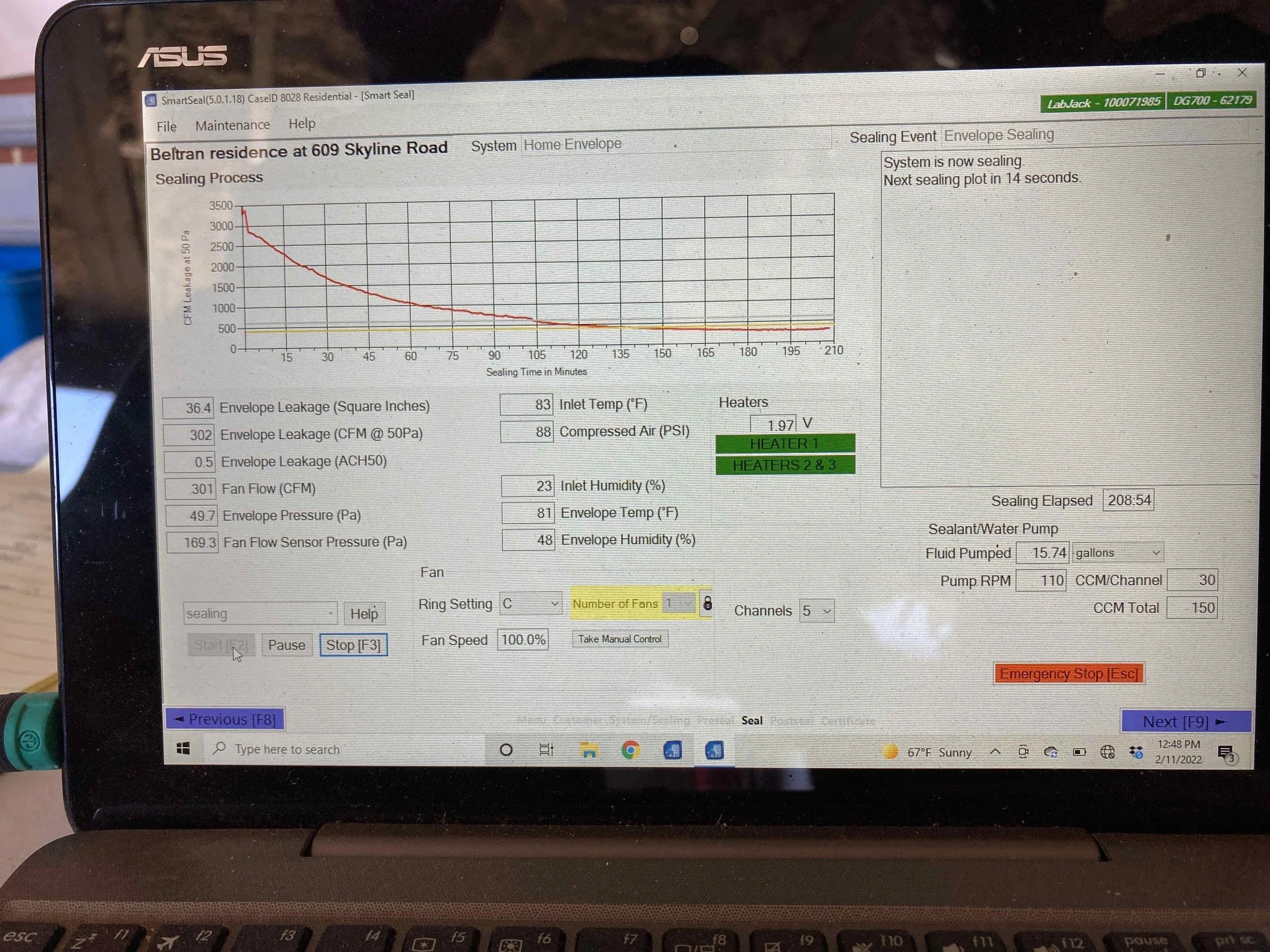
Recently, the Allen team worked with our client and Western AeroBarrier to seal a home and achieve an ACH50 of .47.

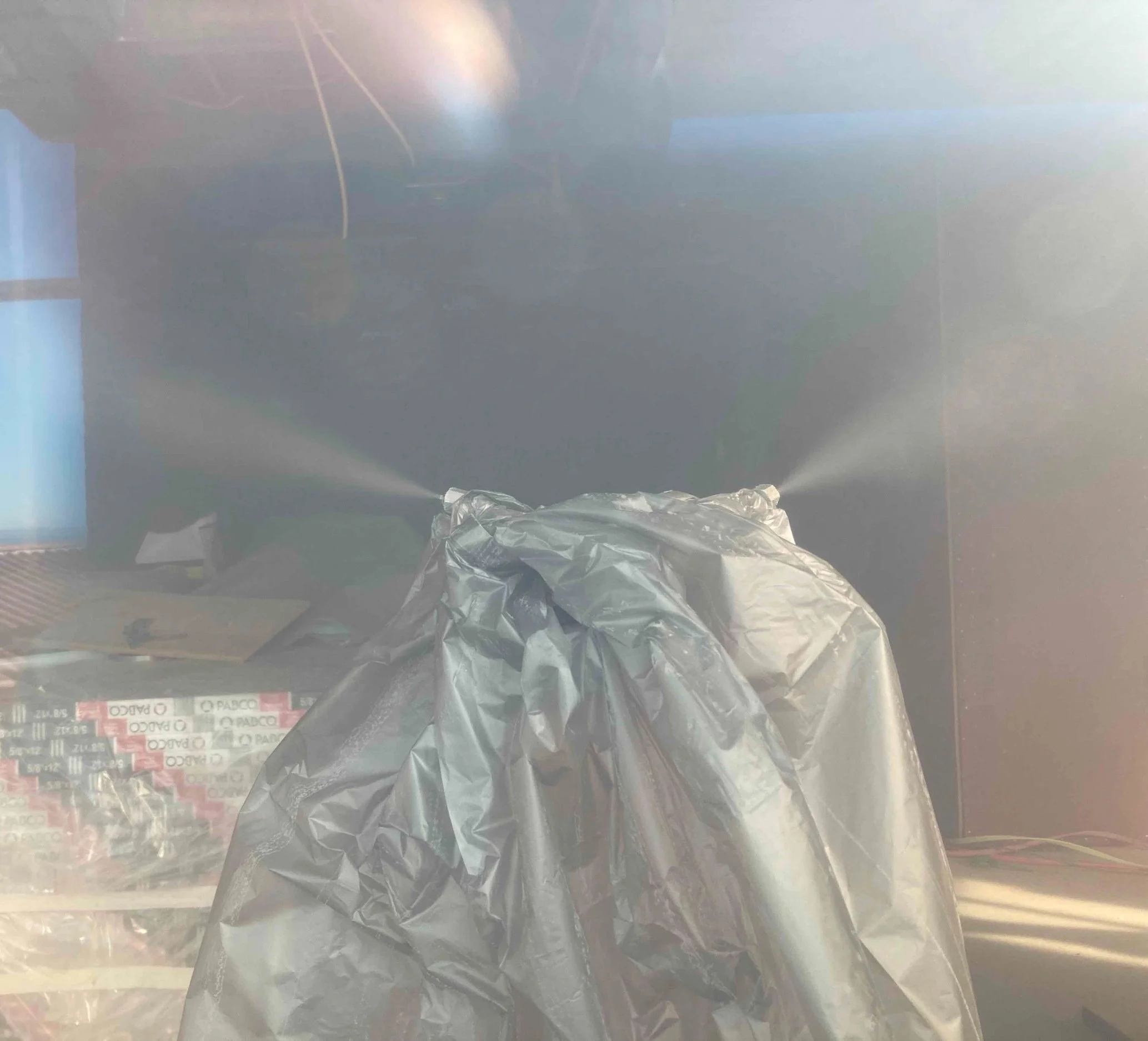
Automated sprayers disseminate a fog of sealant inside the building

Results are monitored in real time

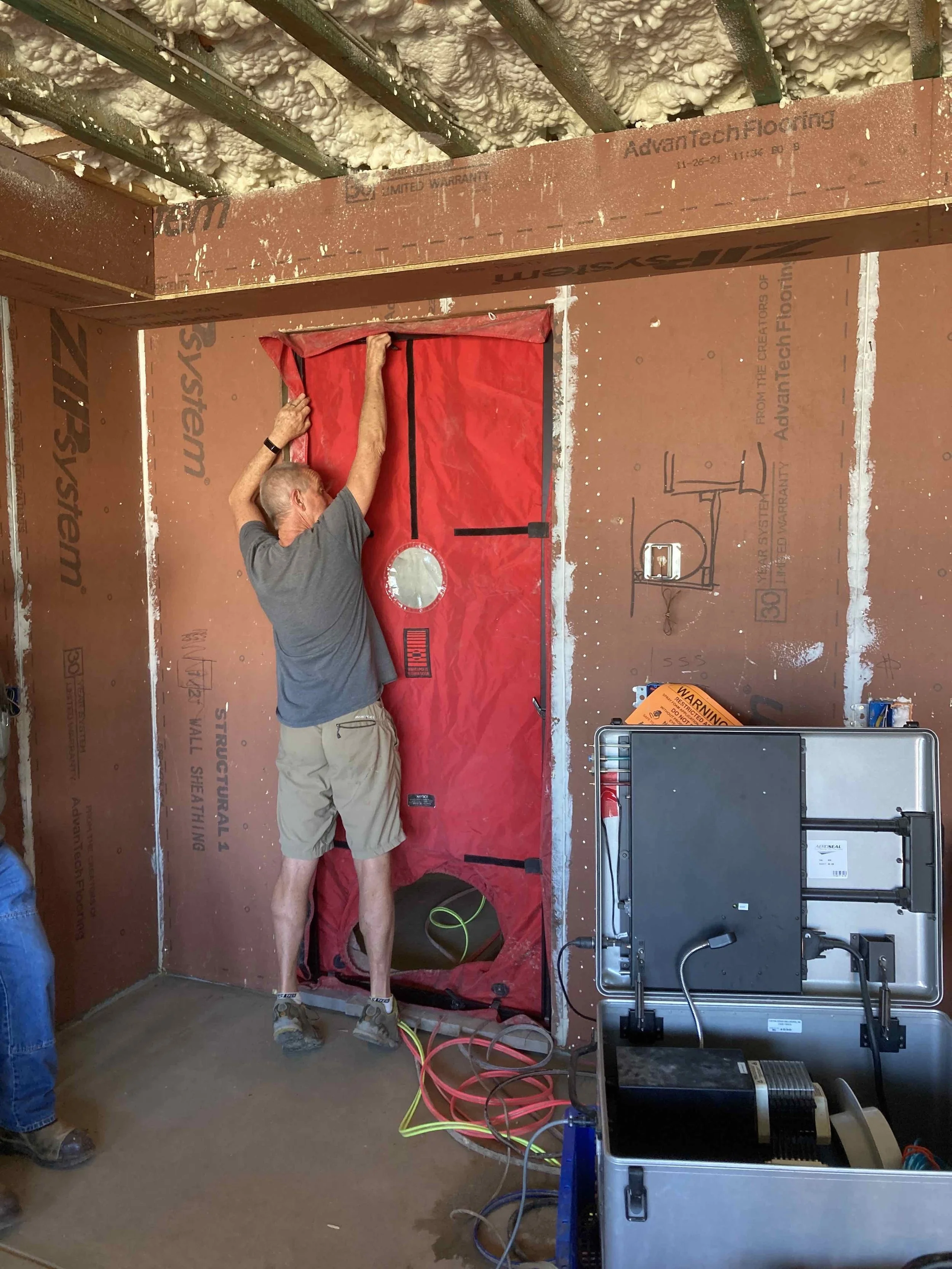
AeroBarrier technology, using a GreenGuard Gold Certified, non-toxic, water-based sealant, finds and fills gaps in the building envelope as small as a human hair and up to .5 inches in just a few hours. The process uses a modified blower door to pressurize the building and automated sprayers to disseminate a fog of sealant inside.

As the air is forced out through the cracks and gaps in the building envelope, the sealant travels along with it, accumulating on the edges of the openings, and eventually fills in all the gaps. This process can be monitored in real time and can achieve a specific level of air tightness to meet energy performance goals. In this case, the homeowner wanted to achieve an ACH50 of less than .5.

After prepping the 4,000 square foot home by taping off the doors and windows, the process took about 3.5 hours to go from an ACH50 of greater than 5.0 to surpass the goal ending at .47, an impressive 91.2% reduction in envelope leakage.

Benefits of Envelope Sealing:

·      Improved Indoor Air Quality

·      Improve System Performance

·      Improve Home Comfort

·      Lower Energy Bills

A Farmworker Community Leads in Green Transportation

California Innovating Solutions to Transportation Inequities

Poor communities get overlooked, neglected, and sometimes exploited as dumping grounds. This is true for farmworker communities. One town, Huron, just over 6,000 residents, mostly Hispanic fieldworkers, is changing this pattern. Most of us have probably never hear of this place in California’s Central Valley. It is one of the most fertile places on Earth and produces windfall profits for big agribusiness but not for seasonal workers.

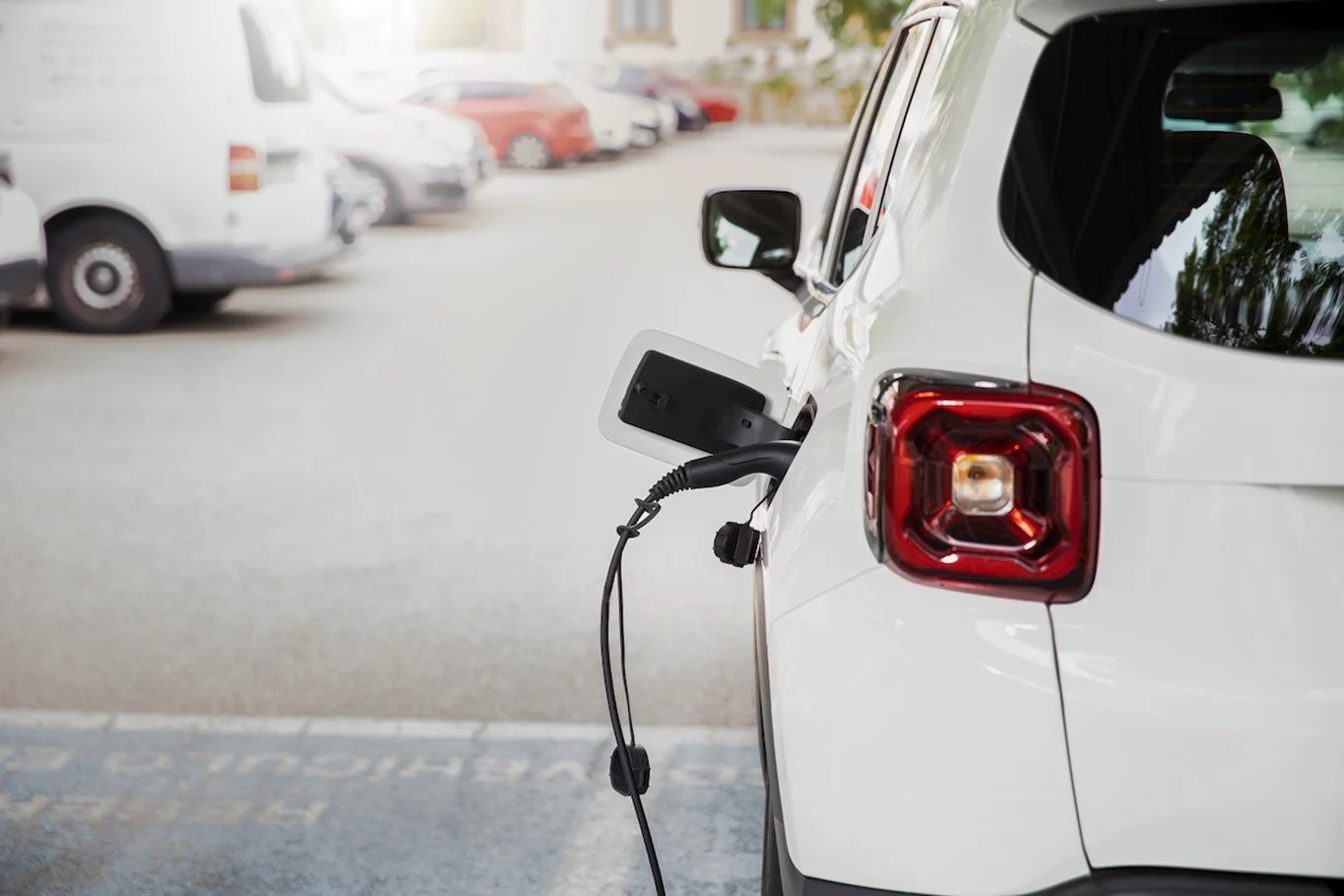
Rey León, the town’s mayor for the past five years and son of a bracero migrant from Mexico, remembers as a boy traveling 53 miles by bus for three hours to visit a cousin in the hospital. Years later, after graduating from UC Berkeley and returning to Huron, he tried to get reliable bus routes for his community but without success. Eventually he was able to obtain an assortment of grants from state climate programs that industrial polluters are required to fund. With this money, he created the Green Raiteros program — a program of nine electric vehicles that shuttle residents all over Fresno County free of charge. The name, Raitero, is from a slang word meaning “ride.” Raitero is a person who offers a ride. People can use this service as often as needed by reserving a ride a few days in advance. 

Affordable and reliable transportation is crucial for poor folks to avail themselves of health-care services. Wives and their children often rely on husbands to get to distant medical appointments, frequently losing a day’s wage in the process. Imagine the impact when the median annual household income in Huron is $25,000.

León’s program, with 30 public charging stations, already has the greatest density of electric ports per capita anywhere in America, even accounting for the wealthiest ZIP codes. There are only a few places nationwide that have tried to integrate electric vehicles into low-income communities, and almost all are in California. According to the UCLA Luskin Center for Innovation, getting green vehicles into marginalized communities is “the greatest challenge we face in meeting our climate goals.” Cities in California are starting to innovate solutions to this problem.

Rancho San Pedro, a polluted neighborhood in Southern California with 450 subsidized apartments, has created a car-sharing program where electric cars are available to enrolled residents for $3 an hour.

Money no longer seems to be an issue since Congress passed the infrastructure package. The Biden administration is committed to addressing deep inequities in the transition to green transportation. It is looking to Huron and similar programs that have reversed the normal top-down model deployed in communities. Local leadership is the best approach to confronting climate change, environmental injustices, and lifting up the most marginalized. Once again California is proving to be an innovator and exporter of outside-the-box policies and ideas.