
Energy & Water Efficiencies

Specifics for a Resilient House

Structural Considerations:

Meet or exceed current seismic codes for tie downs, lateral (sheer) bracing, masonry chimney supports, etc.

A building’s ability to flex and absorb vibration is as important as how strong it is when it comes to earthquake resistant design. Install expansion joints to allow a building to move without damage during seismic activity.

Fire Resistance:

Use non-combustible materials for the building shell: 3 coat plaster, cementitious siding, clad or metal frame windows, clay or concrete roofing tiles or standing seam metal roofing. Avoid exposed wood outside. If have exposed wood, coat with water-based intumescent paint.   Avoid attic venting [use foam insulation (Icynene) to meet code]. Consider metal gutters integrated with metal facia. Use gutter guards to keep gutters cleaned out. Since eaves are one of the most vulnerable areas, cover with non-combustible material like plaster or cementitious boards.

Make deck surfaces non-combustible with tile or masonry combined with plaster skirting and plaster or metal guardrails.

Make structure super tight to prevent/minimize smoke intrusion.

Top chimneys with ¼” mesh spark arrestors.

Install state-of-the-art flame and ember resistant foundation vents. Use similar vents for soffit, ridge and gable openings, if they exist, but try to avoid. Brands to consider are Vulcan, O’Hagin, FAMCO, Ember Out and Brandguard.

Establish defensible space around your home, by planting fire resistant landscaping, keeping trees limbed up and cleaning debris around the house. Absolutely no wood or other combustible material should be stored near the outside of your house.

Protect from Extreme Weather:

Reinforce structure to withstand severe wind loads (basically same steps as for seismic strategies)

Prepare for heavy precipitation and flooding. Use deep overhangs (suggest 24”) to keep much of the rain away from the house. Use gutters, downspouts, French drains, soil slopped away from structure and site swales, infiltration basins and catch basins to let water penetrate ground and protect the building from heavy storms. (Can use gutter system to capture and store rainwater for future irrigation).

Provide permeable surfaces at patios, walkways and driveways to absorb storm water.

Build drainage planes behind wall skins to allow trapped moisture/water to escape and drain out at base of walls.

Pay special attention to basements and crawlspaces where water may collect. Locate mechanical equipment and electric panels above grade. Attic spaces are ideal for such equipment (furnaces, boilers, AC equipment, and water heaters).

If located in a flood plain or the coastal zone, think about rising seas, storm surges and even possible tsunamis. Elevate the main living quarters and install breakaway walls at the lower level. This is standard practice in Hawaii.

For Survivability:

Employ passive solar design strategies. Create a tight shell with substantial insulation, thermal breaks, thermal mass, strategically placed windows, natural ventilation, stack ventilation, and moveable shading devices on the sunny sides of the house. Maximize daylighting. These steps can save operating costs and assure a reasonable level of comfort when heating/cooling equipment is out of commission.

Go All-Electric with Backup Storage:

Use Energy Star or better appliances or equipment. Use heat-pumps for heating, cooling, hot water and clothes drying. Install a magnetic induction stove for cooking. (Emergency back up for cooking could be a Coleman camp stove using propane cannisters). Generate your electric power with photo-voltaic panels and a backup storage system (maybe Sonnen-a German battery). Arrange your electric circuitry for survivability. Run your refrigerator, cooker, some minimal LED lights, your media/information center and at least one receptacle for charging phones off the battery backup system. A Yeti Tundra 65 cooler makes an effective emergency backup for frozen foods when power goes out.

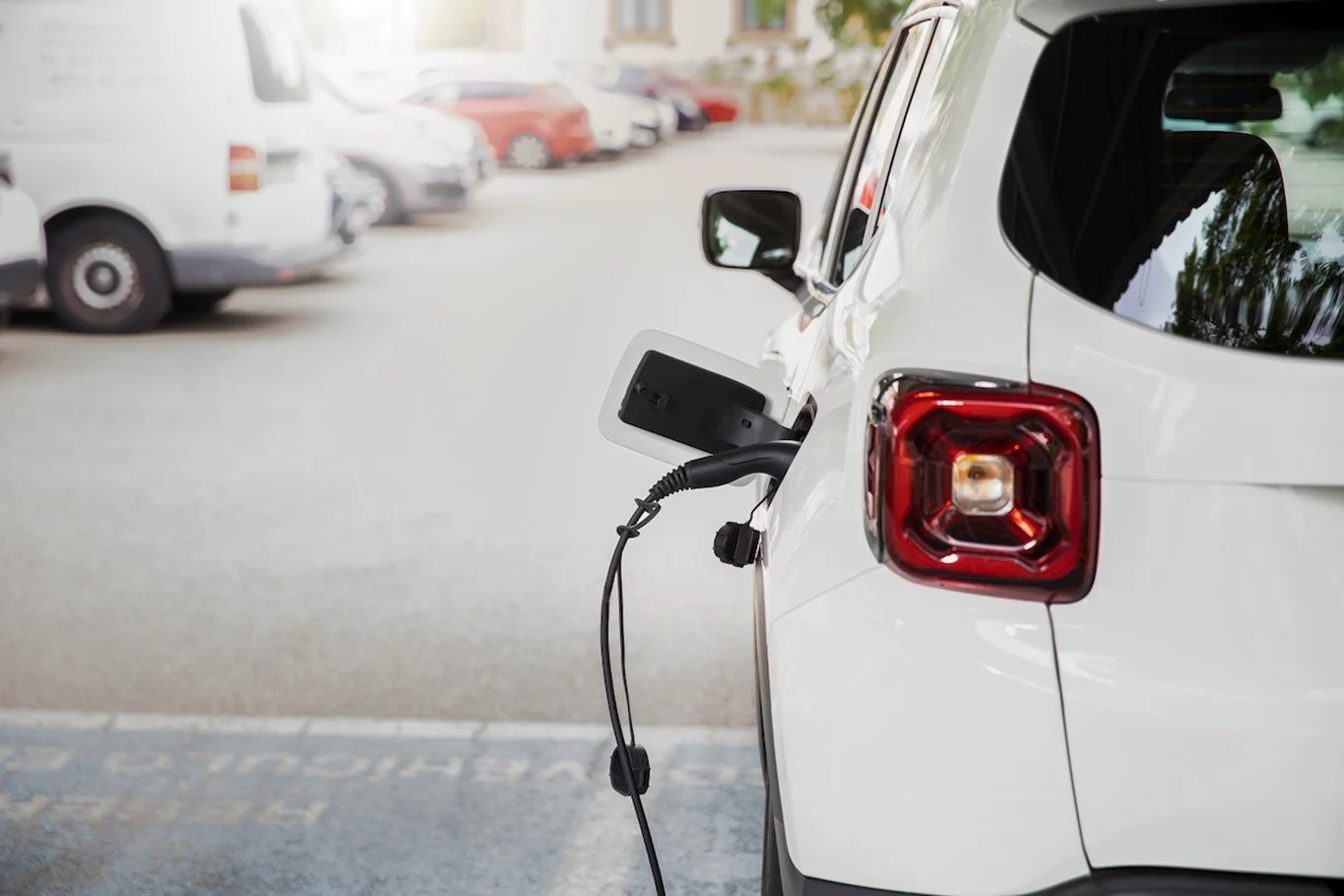
Consider an electric vehicle or bicycle (electric or pedal) in case of an extended power outage where gasoline will not be available. Avoid a diesel generator for backup. Fuel may not be available plus it contributes to the climate crisis.

Develop an Emergency Water Supply:

Stored water, perhaps collected rainwater, can be purified/filtered with an MSR Guarding Purifier System.

What Makes a Home "Green"?

Multi-year drought, distressed forests and intense wildfires bring awareness of the local impacts of climate change. Efforts to address climate change have long focused on cutting greenhouse gas (GHG) emissions and more recently on sequestering carbon. But because the impacts of climate change are now upon us, we need to add to our efforts resilience planning. What is the focus of these efforts related to our buildings?

In reviewing many “green building” programs, the most common characteristics are: energy efficiency, water conservation and selecting materials that are sustainable and used in a resource-efficient way.

Because energy use is strongly linked to GHG emissions, reducing energy consumption in homes tends to decrease damage caused by burning fossil fuels. There are many ways to reduce energy use in homes: install more efficient appliances, select higher performance windows, or add thicker insulation.

Water conservation makes sense in most regions of the country, excluding only those where fresh water is abundant. In California, water is directly linked to energy, for close to 20 percent of our energy use statewide is consumed in transporting and treating water. Residential water conservation emphasizes careful selection of plumbing fixtures and appliances but also promotes rainwater collection.

Choosing materials for a green home involves selecting materials that are naturally renewable (for example, wood from sustainably harvested forests), have recycled content, or are harvested/manufactured regionally. These materials also need to be incorporated in structures as efficiently as possible.

Other green building criteria worth considering are:

·         Designing and building homes that last longer. Although rarely thought about, designing to make future changes easier helps save materials. Selecting materials that require less cleaning and less maintenance are also aspects of durability.

·         A green home is small. Scaling down is unpopular with Americans, but greatly reduces impact.

·         A green home provides superior indoor air quality and promotes human health. Avoiding materials and furnishings that involve toxins and outgassing is key. Good natural and mechanical ventilating is also important.

·         Because transportation involves our biggest consumption of fossil fuel, selecting a location that is close to work, shopping, schools and public transportation could be the most impactful of all criteria, but is rarely addressed.

Resilience focuses on livable conditions in buildings after a disaster; on backup power; and on access to potable water. These strategies are being woven into “green building” programs but expanded to community scale. Photovoltaics with on-site storage can provide basic services and information during power outages. We know how to build tight buildings out of non-combustible materials to resist wildfires. Mechanical ventilation with HEPA (high efficiency particulate air) filters can handle smoke and ash from wildfires. Rainwater collection, composting toilets and recycled water are other resilient strategies.

Instant Hot Water with Less Waste

Hot water is typically the second largest use of energy in a home (after space heating and cooling). Despite its resource intensity, the hot water delivery system is seldom an area of focus when constructing a home. As a result, many homes have systems that take minutes to deliver hot water to the faucet and waste large amounts of energy and water in the process. Approximately 10-15 percent of energy use associated with hot water is wasted in distribution losses.

A brief article appeared in The Independent a few months back promoting hot water recirculating systems as a way to save water. A recirculating system is a hot water line that loops throughout the house connecting to all the fixtures that use hot water before returning to the water heater. These systems usually have a timer that runs a pump during fixed periods of peak hot water usage. By continuously circulating hot water during peak periods, it provides instant hot water and saves water by eliminating the water that typically runs down the drain while waiting for hot water to arrive. Water is saved but only by using an excessive amount of extra energy.

Another drawback: the pipes tend to fail prematurely (usually in 5-6 years) by corrosion from the continuous flow velocity of the water and from the water chemistry—certainly an issue in Santa Barbara with our hard water.

Another more sustainable option is on-demand hot water delivery, a system that is compatible with tank or tankless water heaters and works with solar hot water units as well -the greenest option. At the push of a button a pump turns on, rapidly pushing the ambient temperature water out of the hot water lines and into the cold-water lines en route back to the water heater. This ambient temperature water, which is normally lost down the drain, is replaced by hot water. When the hot water reaches a distant fixture, a thermal sensor detects the temperature rise and quickly shuts the pump off.

By using the existing cold-water line as the return line, an on-demand delivery system can be easily and cost-effectively retrofitted in existing homes. Because of the thermal sensor, the system will not allow hot water to cross over to the cold-water line, thus ensuring that all cold-water faucets still have cold water.

Energy is conserved: approximately 30 seconds after pushing the button, hot water arrives at the faucet and the pump shuts off.  Water is conserved: there is no cold water flowing down the drain while waiting for the hot water to arrive. The users are happy: 30 seconds after pushing the button, they can turn on the faucet and have nearly instantaneous hot water, while knowing that they are conserving water and energy.

A New Standard in Green Toilets

Niagara is a company that continues to bring breakthrough green products to market, and at reasonable prices. An earlier product, its shower head with a 1.5 gallon per minute flow rate, was, and still is, best in its class and with a price tag of roughly $10 per unit. This product has made the company renowned for its water conservation solutions.

After the shower head, it decided to create the best water conserving toilet. Toilets account for 30 percent of indoor water use in the US. The Federal government mandated a maximum of 2.5 gallons per flush (GPF) several decades ago. Many brands operate at this water flow level, but the Environmental Protection Agency, through its WaterSense certification program, has encouraged manufacturers to better the minimum standard not just with toilets, but across an array of water consuming fixtures and appliances.

Niagara has created 2 award winning toilets that perform at an entirely different level from all other toilets. One, its single flush, stealth toilet, consumes only 0.8 GPF, less than a third of the maximum allowed water standard. This is the only single flush toilet in the industry with such a low GPF rating. Its other model is a dual flush unit that uses 0.5 and 0.95 GPF flushes. Both toilets are WaterSense certified and have received rave reviews from consumers.

These toilets incorporate 3 innovations. First is the pressure-assist flush mechanism. It harnesses the energy of the water filling the tank to pressurize and trap air in a tube. This pressurized air creates an accelerating force on the flush water when the button is pushed. Once the flush is complete, the system refills and re-primes the air transfer tube ready for the next flush.

The second innovation tackles the vacuum assist sound issue. Vacuum mechanisms are notorious for the accompanying swooshing noise. In this design, the fill valve is always submerged in water, never exposed, thereby dramatically reducing noise. The manufacture claims it is the quietest toilet on the market.

The third innovation is the design of the toilet bowl. It has specialized rim holes and a siphon jet—the jet for fast evacuation of the bowl and the small holes for water to thoroughly clean all the bowl surfaces. The sophistication of the design surprisingly has fewer moving parts, and this, combined with the strategic use of ceramics, makes these toilets low maintenance fixtures.

Perhaps the best thing is the price. These units range from $200-$250, low enough that they could replace many less water conserving toilets. The replacement offers an ultra-high efficiency experience that delivers a powerful and quiet performance. The wasteful problem of double flushing is a thing of the past.